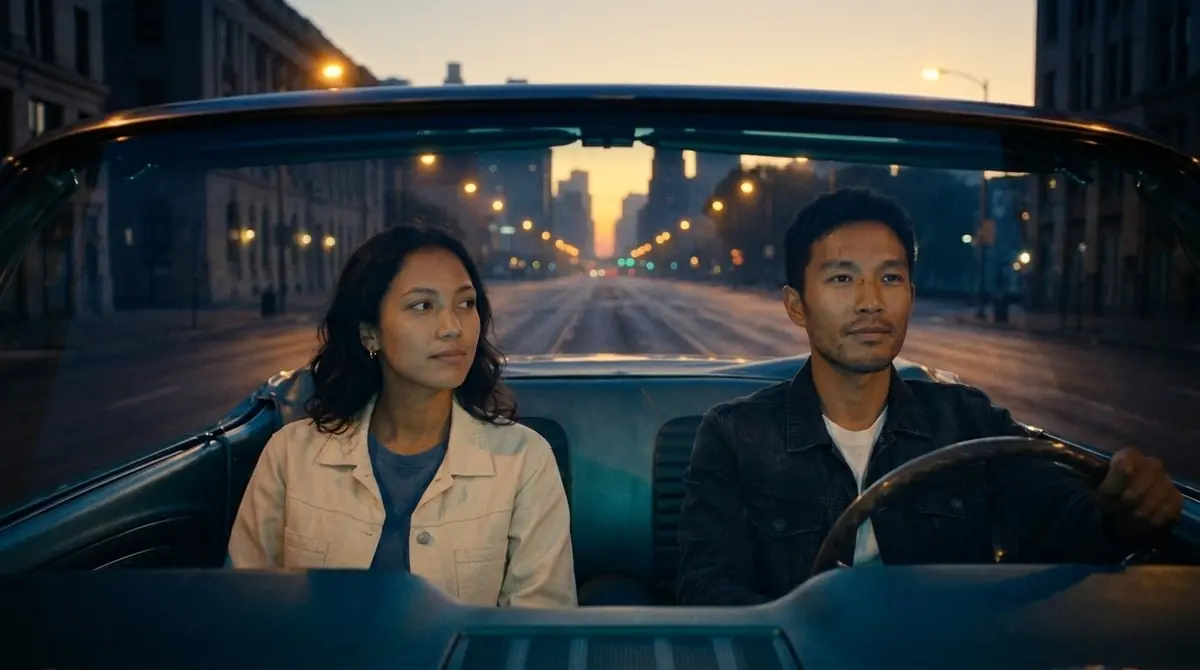
Zum Inhalt springen

Schreibe in Minuten ein Musikvideo-Treatment

Ein Treatment ist das Dokument, das eine Regie schreibt, um eine Idee zu verkaufen und einen Dreh auf Kurs zu halten. Trage Song, Idee, wem das Video folgt und wo es spielt ein, und der Generator legt es Abschnitt für Abschnitt aus, vom ersten Bild des Intros bis zur letzten Einstellung, bereit zum Kopieren, Herunterladen oder zum Umwandeln in ein Storyboard.

Kostenlos, ohne Anmeldung. Läuft in deinem Browser: Es wird nichts hochgeladen.

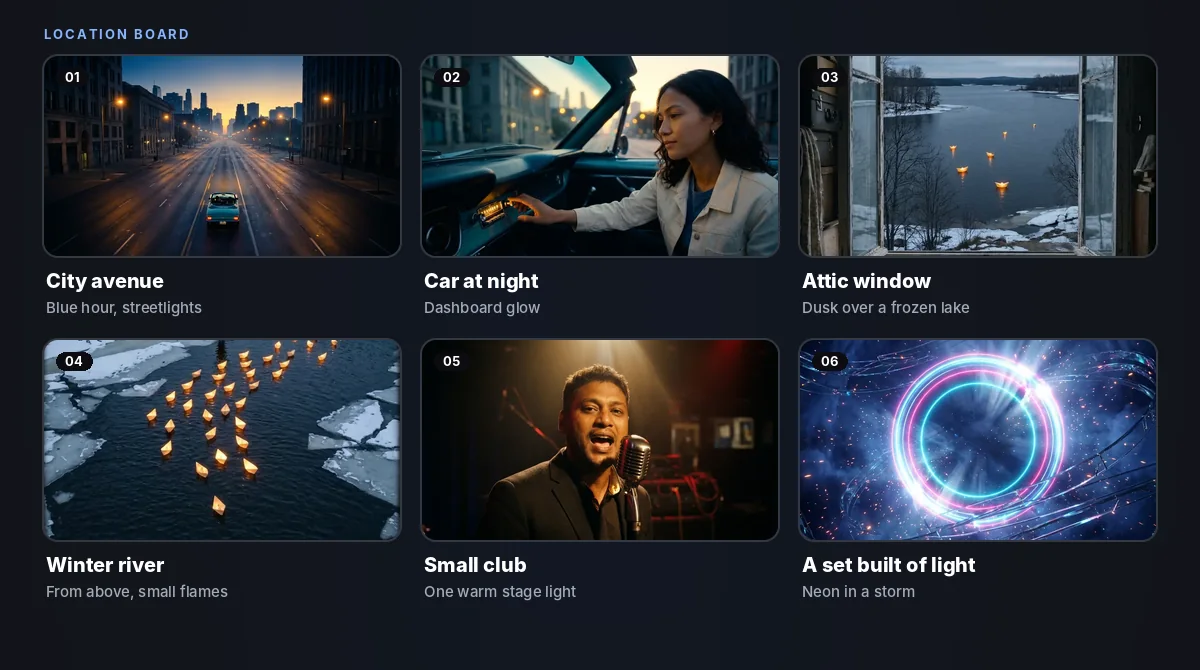
Drei Orte

Dein Treatment

“Night Drive” by Noa Vale: music video treatment

Logline

Two friends drive through a sleeping city in an old convertible until the road carries them out of town and into the sunrise.

Concept

A nostalgic Pop video built on one idea, told through what two friends in their twenties, Noa (cream cropped jacket, gold hoops) and Eli (denim jacket, a scar through one eyebrow) does rather than by acting out the lyrics line by line. The world is small and specific: three places, faded film tones: mustard, teal and warm brown, and dashboard glow and passing street lamps, then real dawn. A paper cup on the dashboard that rattles with every bump. It returns in every chorus, a little different each time, so the video has an image people can hold on to. From the first shot to the last, one thing changes: they pull over on the coast road and watch the sun come up.

The arc, section by section

Intro. Open on an empty gas station under buzzing strip lights before anything happens. One held image that sets the world and its light, with a paper cup on the dashboard that rattles with every bump somewhere in frame.

Verse 1. Meet two friends in their twenties, Noa (cream cropped jacket, gold hoops) and Eli (denim jacket, a scar through one eyebrow) in an empty gas station under buzzing strip lights. Small, specific actions in medium shots and details, a new framing at every cut. Nothing big yet: the verse sets up what the chorus pays off.

Build. Things start to move toward a tunnel of orange sodium lamps. Shots get shorter and the camera starts to travel.

Chorus 1. The roof comes down in the tunnel and the lamps strobe across their faces. The strongest image so far, cut on the downbeats, the light at its brightest.

Verse 2. A tunnel of orange sodium lamps. A step further along the story, and a paper cup on the dashboard that rattles with every bump comes back, changed.

Chorus 2. The chorus image again, bigger: wider frames, more movement, more of the light.

Bridge. The turn. Strip it back in a coastal road at first light: one or two long shots and a new angle on two friends in their twenties, Noa (cream cropped jacket, gold hoops) and Eli (denim jacket, a scar through one eyebrow) while the song breathes.

Final chorus. Everything at full size, landing on the change: they pull over on the coast road and watch the sun come up.

Outro. Hold the last image. A paper cup on the dashboard that rattles with every bump. One final time, then out.

The look

Medium. A real photograph shot on 35mm film, natural skin texture, fine grain.

Palette. Faded film tones: mustard, teal and warm brown.

Light. Dashboard glow and passing street lamps, then real dawn. Every shot names where its light comes from.

Camera. Calm in the verses, moving in the choruses. Medium and close framings on the lead, wides to reset, and a new framing at every cut.

Faces. Quiet and natural, matching the song's mood.

Cast and wardrobe

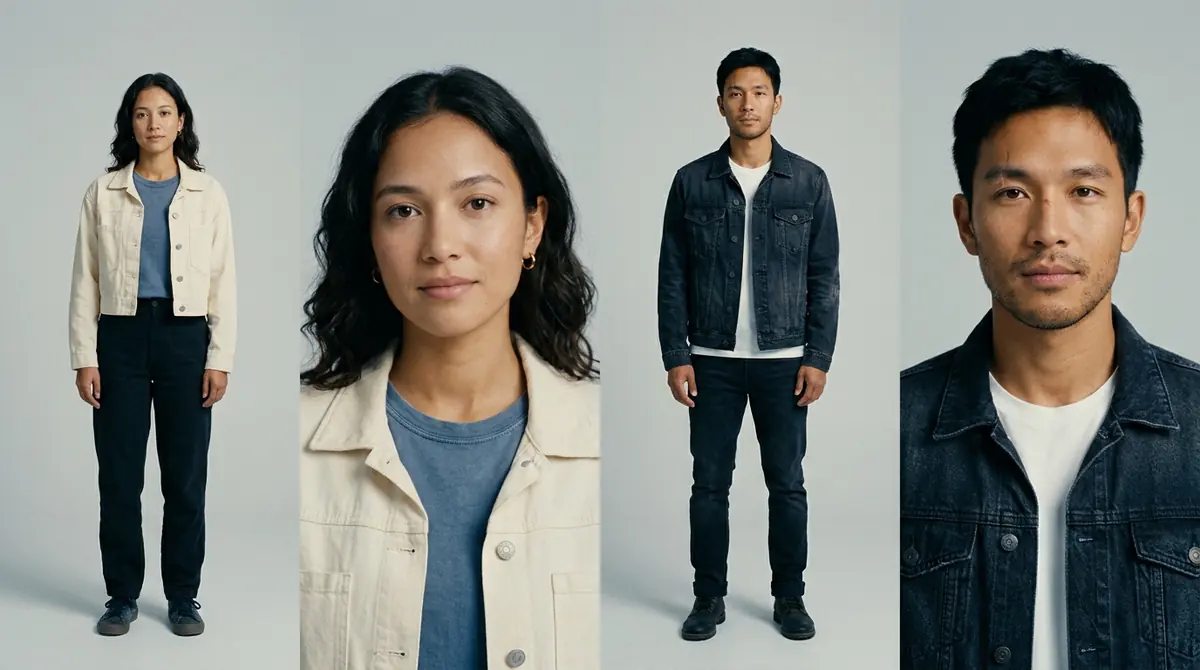
Two friends in their twenties, Noa (cream cropped jacket, gold hoops) and Eli (denim jacket, a scar through one eyebrow). Describe the cast once, in a few fixed words for face, hair and wardrobe, and keep those exact words for every shot they appear in. A small cast reads better on screen than a crowd.

Locations

1. An empty gas station under buzzing strip lights. Where the video starts: the verses and the opening image.

2. A tunnel of orange sodium lamps. Where it moves to: the second verse and the build.

3. A coastal road at first light. Where it turns and lands: the bridge and the final chorus.

Key shots

• The hook (first seconds): an empty gas station under buzzing strip lights, wide and still, a paper cup on the dashboard that rattles with every bump catching the light.

• A detail: an insert of hands, an object or a texture from an empty gas station under buzzing strip lights that tells us who two friends in their twenties, Noa (cream cropped jacket, gold hoops) and Eli (denim jacket, a scar through one eyebrow) is.

• The chorus image: the roof comes down in the tunnel and the lamps strobe across their faces.

• The motif, changed: a paper cup on the dashboard that rattles with every bump in a tunnel of orange sodium lamps.

• The turn: two friends in their twenties, Noa (cream cropped jacket, gold hoops) and Eli (denim jacket, a scar through one eyebrow) alone in a coastal road at first light, framed in a way we haven't seen yet.

• The last image: they pull over on the coast road and watch the sun come up.

Pacing

At a steady Pop pace, a 2:56 song comes to roughly 52 shots (about one every 3.4 seconds on average): longer in the quiet parts, one bar or less in the choruses, and a cut at every section change and every drop.

Deliverables

• The full video in 16:9 for YouTube

• A vertical 9:16 cut of the hook for Shorts, Reels and TikTok

• A square 1:1 cut for feed posts

• An 8-second Spotify Canvas loop from the same world
Der Text, den dieses Tool schreibt, ist auf Englisch.

In ein Storyboard verwandelnNeuen Song hochladen

Kostenlos: Muvora timt jede Einstellung davon auf die Beats deines Songs.

Song fertig? Lade ihn hoch, und Muvora plant das ganze Video auf seinen Beats. Das Storyboard ist kostenlos.

Video erstellenNeuen Song hochladen

So nutzt du das Tool: Musikvideo-Treatment-Generator

  1. 01

    Mit deiner Idee oder einer von uns starten

    Tippe dein eigenes Konzept ein oder wähle eines der Konzepte aus der Ideensammlung, um das Formular zu füllen und von dort aus zu bearbeiten.

  2. 02

    Song und Personen hinzufügen

    Gib Artist, Titel, Genre, Stimmung und Länge ein und beschreibe dann die Hauptfigur in ein paar festen Worten.

  3. 03

    Orte und Veränderung benennen

    Drei Orte, ein Motiv, das immer wiederkehrt, das Refrain-Bild und wie das Video endet.

  4. 04

    Kopieren, herunterladen oder zum Storyboard machen

    Kopiere das Treatment, speichere es als Markdown-Datei oder schick es an Muvora, um jede Einstellung auf deinen Song zu takten.

So aufgebaut, wie Regisseure sie schreiben

Jedes Treatment beantwortet dieselben Fragen in derselben Reihenfolge: Was ist die Idee in einem Satz, was passiert, während der Song voranschreitet, wie sieht es aus, wer kommt darin vor, wo spielt es und welche Einstellungen zählen am meisten. Der Generator schreibt jeden Teil aus deinen Antworten, das Dokument liest sich also als Plan statt als Moodboard.

  • Logline und Konzept
  • Der Bogen für jeden Abschnitt des Songs
  • Look, Besetzung, Locations und Schlüsseleinstellungen

Gebaut darauf, wie Songs geformt sind

Der Bogen folgt der Aufgabe jedes Abschnitts: ein Intro, das die Welt setzt, Strophen, die die Geschichte voranbringen, ein Refrain, der sich auszahlt und größer wiederkehrt, eine Bridge, die wendet, und ein Ende, das sitzt. Die Notiz zum Tempo schätzt, wie viele Einstellungen der Song bei der üblichen Schnittgeschwindigkeit seines Genres braucht.

  • Intro, Strophen, Refrains, Bridge und Outro
  • Ein Motiv, das wiederkehrt und sich verändert
  • Eine Einstellungszahl aus Länge und Genre

Bereit für ein Team, oder für Muvora

Gib das Treatment einer Kamerafrau oder einem Kameramann, einem Freund mit Kamera oder einer Band, oder füge es in das Ideenfeld von Muvora ein und lass die KI-Regie ein vollständiges Storyboard mit jedem Schnitt auf dem Beat daraus machen. So oder so beginnst du mit einem Plan statt mit einer leeren Seite.

  • Als Text kopieren oder als Markdown herunterladen
  • Mit Mitwirkenden teilen
  • Ein Klick zum Storyboard
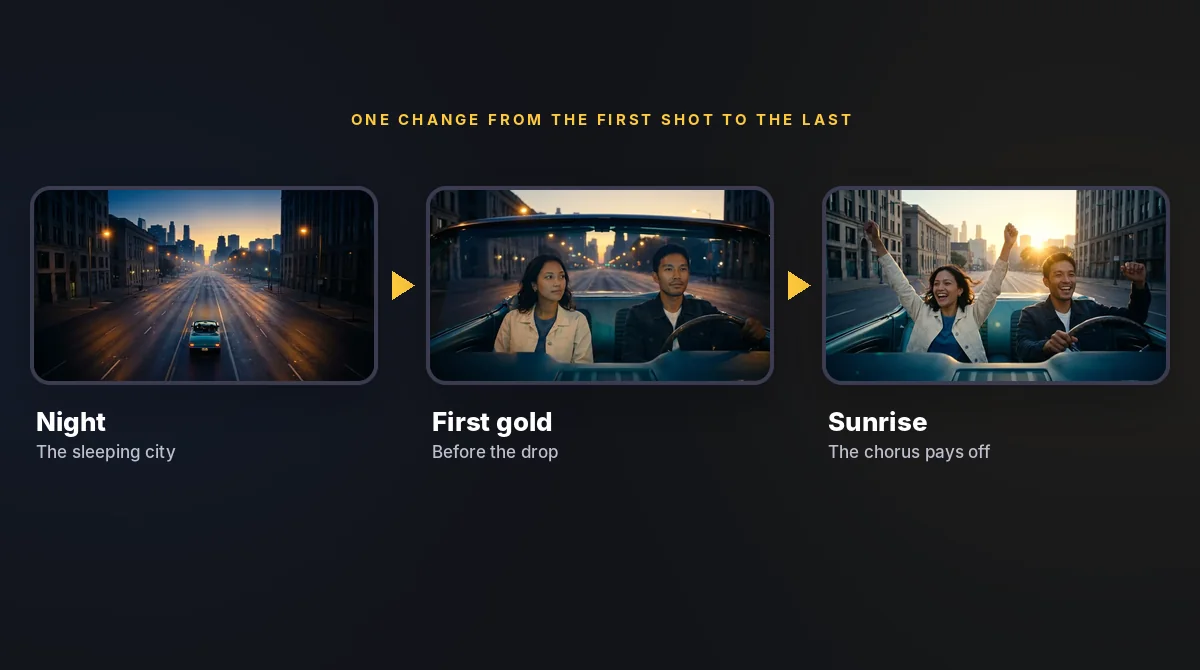
Drei Frames aus Night Drive in ihrer Reihenfolge, mit Pfeilen dazwischen: die leere Stadt bei Nacht, die beiden Hauptfiguren im ersten goldenen Licht und der Refrain bei Sonnenaufgang.
Drei Storyboard-Frames aus „Night Drive“ in der Reihenfolge der Story, von der Eröffnung in der nächtlichen Stadt bis zum Refrain bei Sonnenaufgang

Vom Treatment zum Storyboard, auf dem Beat

Ein Treatment sagt, was passiert; ein Storyboard sagt, wann. Schick dieses an Muvora, und die Regie plant jede Einstellung gegen die Taktschwerpunkte und Abschnitte deines Songs, zeichnet die Style-Frames und zeigt den genauen Preis, bevor du irgendetwas renderst.

Fragen und Antworten

Nicht gefunden, was du suchst? Starte ein kostenloses Storyboard und sieh selbst.

Was ist ein Musikvideo-Treatment?

Ein kurzes Dokument, meist ein bis fünf Seiten, das ein Musikvideo beschreibt, bevor es gemacht wird: das Konzept, die Geschichte oder der Bogen über den Song, der visuelle Stil, die Besetzung, die Locations und die Schlüsseleinstellungen.

Wie lang sollte ein Treatment sein?

Lang genug, um die Idee klar zu machen, und kurz genug, um in ein paar Minuten gelesen zu werden. Für ein unabhängiges Video sind meist ein bis zwei Seiten plus ein paar Referenzbilder richtig.

Brauche ich ein Treatment für ein KI-Musikvideo?

Es hilft. Je klarer dein Konzept, deine Hauptfigur, deine Orte und dein Motiv sind, desto konkreter wird jede Einstellung. Du kannst die Logline und die Details direkt in das Ideenfeld von Muvora einfügen.

Wird mein Treatment irgendwo gespeichert?

Nein. Der Generator läuft in deinem Browser; nichts, was du tippst, wird an einen Server gesendet. Kopiere oder lade es herunter, bevor du die Seite schließt.

Weitere kostenlose Tools: Das Video planen

Ideen, Treatments, Prompts, Shotlists und Storyboards im Takt, eine Tagesdispo für den Dreh und was ein Rendering kosten würde.

Dein Song verdient ein Musikvideo

Lade einen Track hoch und hol dir in wenigen Minuten ein kostenloses Storyboard im Takt. Rendere es, wenn du so weit bist.

Für den Start ist keine Kreditkarte nötig.