Saltar al contenido

Escribe un tratamiento de video musical en minutos

Un tratamiento es el documento que escribe un director para vender una idea y mantener un rodaje en marcha. Rellena la canción, la idea, a quién sigue el video y dónde ocurre, y el generador lo organiza sección por sección, desde la primera imagen de la intro hasta el último plano, listo para copiar, descargar o convertir en un storyboard.

Gratis y sin registro. Funciona en tu navegador: no se sube nada.

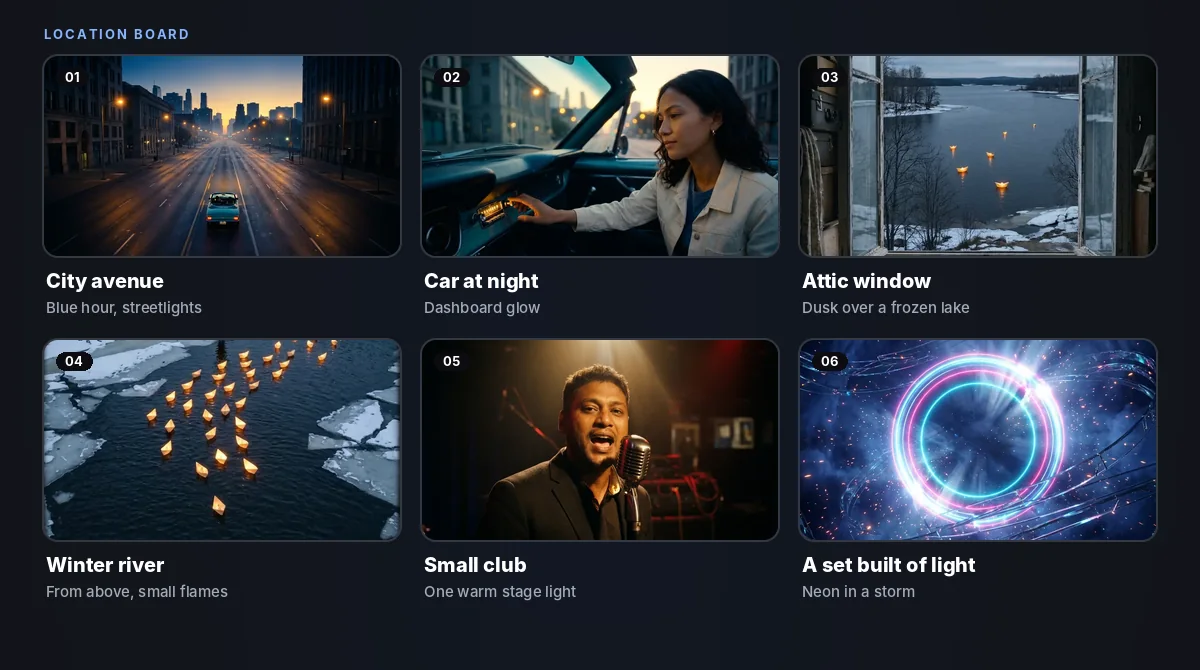
Tres lugares

Tu tratamiento

“Night Drive” by Noa Vale: music video treatment

Logline

Two friends drive through a sleeping city in an old convertible until the road carries them out of town and into the sunrise.

Concept

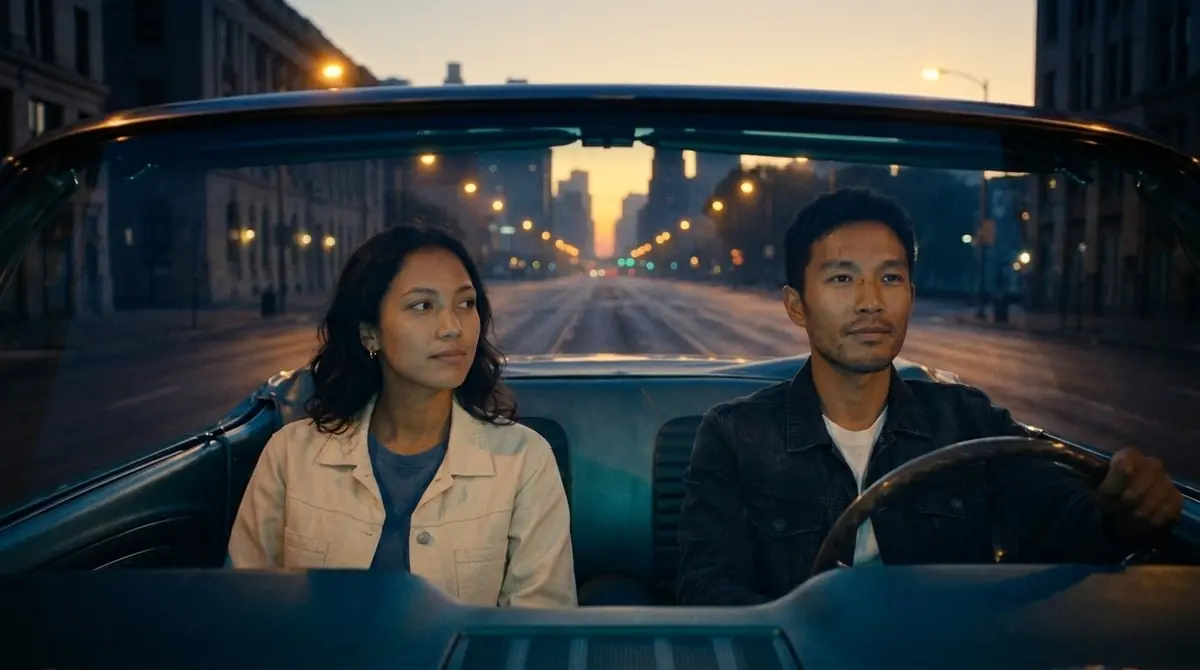
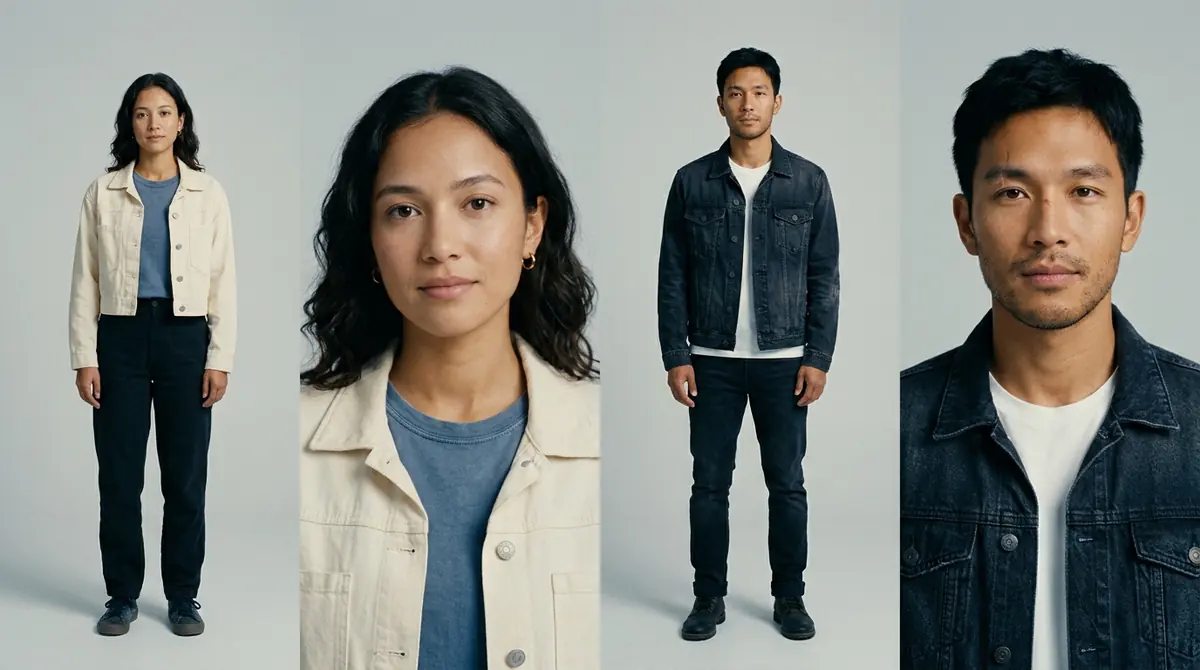
A nostalgic Pop video built on one idea, told through what two friends in their twenties, Noa (cream cropped jacket, gold hoops) and Eli (denim jacket, a scar through one eyebrow) does rather than by acting out the lyrics line by line. The world is small and specific: three places, faded film tones: mustard, teal and warm brown, and dashboard glow and passing street lamps, then real dawn. A paper cup on the dashboard that rattles with every bump. It returns in every chorus, a little different each time, so the video has an image people can hold on to. From the first shot to the last, one thing changes: they pull over on the coast road and watch the sun come up.

The arc, section by section

Intro. Open on an empty gas station under buzzing strip lights before anything happens. One held image that sets the world and its light, with a paper cup on the dashboard that rattles with every bump somewhere in frame.

Verse 1. Meet two friends in their twenties, Noa (cream cropped jacket, gold hoops) and Eli (denim jacket, a scar through one eyebrow) in an empty gas station under buzzing strip lights. Small, specific actions in medium shots and details, a new framing at every cut. Nothing big yet: the verse sets up what the chorus pays off.

Build. Things start to move toward a tunnel of orange sodium lamps. Shots get shorter and the camera starts to travel.

Chorus 1. The roof comes down in the tunnel and the lamps strobe across their faces. The strongest image so far, cut on the downbeats, the light at its brightest.

Verse 2. A tunnel of orange sodium lamps. A step further along the story, and a paper cup on the dashboard that rattles with every bump comes back, changed.

Chorus 2. The chorus image again, bigger: wider frames, more movement, more of the light.

Bridge. The turn. Strip it back in a coastal road at first light: one or two long shots and a new angle on two friends in their twenties, Noa (cream cropped jacket, gold hoops) and Eli (denim jacket, a scar through one eyebrow) while the song breathes.

Final chorus. Everything at full size, landing on the change: they pull over on the coast road and watch the sun come up.

Outro. Hold the last image. A paper cup on the dashboard that rattles with every bump. One final time, then out.

The look

Medium. A real photograph shot on 35mm film, natural skin texture, fine grain.

Palette. Faded film tones: mustard, teal and warm brown.

Light. Dashboard glow and passing street lamps, then real dawn. Every shot names where its light comes from.

Camera. Calm in the verses, moving in the choruses. Medium and close framings on the lead, wides to reset, and a new framing at every cut.

Faces. Quiet and natural, matching the song's mood.

Cast and wardrobe

Two friends in their twenties, Noa (cream cropped jacket, gold hoops) and Eli (denim jacket, a scar through one eyebrow). Describe the cast once, in a few fixed words for face, hair and wardrobe, and keep those exact words for every shot they appear in. A small cast reads better on screen than a crowd.

Locations

1. An empty gas station under buzzing strip lights. Where the video starts: the verses and the opening image.

2. A tunnel of orange sodium lamps. Where it moves to: the second verse and the build.

3. A coastal road at first light. Where it turns and lands: the bridge and the final chorus.

Key shots

• The hook (first seconds): an empty gas station under buzzing strip lights, wide and still, a paper cup on the dashboard that rattles with every bump catching the light.

• A detail: an insert of hands, an object or a texture from an empty gas station under buzzing strip lights that tells us who two friends in their twenties, Noa (cream cropped jacket, gold hoops) and Eli (denim jacket, a scar through one eyebrow) is.

• The chorus image: the roof comes down in the tunnel and the lamps strobe across their faces.

• The motif, changed: a paper cup on the dashboard that rattles with every bump in a tunnel of orange sodium lamps.

• The turn: two friends in their twenties, Noa (cream cropped jacket, gold hoops) and Eli (denim jacket, a scar through one eyebrow) alone in a coastal road at first light, framed in a way we haven't seen yet.

• The last image: they pull over on the coast road and watch the sun come up.

Pacing

At a steady Pop pace, a 2:56 song comes to roughly 52 shots (about one every 3.4 seconds on average): longer in the quiet parts, one bar or less in the choruses, and a cut at every section change and every drop.

Deliverables

• The full video in 16:9 for YouTube

• A vertical 9:16 cut of the hook for Shorts, Reels and TikTok

• A square 1:1 cut for feed posts

• An 8-second Spotify Canvas loop from the same world
El texto que escribe esta herramienta está en inglés.

Convertirlo en un storyboardSube una canción nueva

Gratis: Muvora sincroniza cada plano de esto con los beats de tu canción.

¿Canción terminada? Súbela y Muvora planifica el video completo sobre su ritmo. El storyboard es gratis.

Hacer el videoSube una canción nueva

Cómo usar: Generador de tratamientos de videos musicales

  1. 01

    Parte de tu idea o de una de las nuestras

    Escribe tu propio concepto, o elige uno de los conceptos del banco de ideas para rellenar el formulario y editarlo desde ahí.

  2. 02

    Añade la canción y las personas

    Introduce el artista, el título, el género, el ambiente y la duración, y luego describe al protagonista con unas pocas palabras fijas.

  3. 03

    Nombra los lugares y el cambio

    Tres lugares, un motivo que no deja de volver, la imagen del estribillo y cómo termina el video.

  4. 04

    Cópialo, descárgalo o conviértelo en storyboard

    Copia el tratamiento, guárdalo como archivo Markdown, o envíalo a Muvora para ajustar cada plano a tu canción.

Organizado como lo escriben los directores

Todo tratamiento responde a las mismas preguntas en el mismo orden: cuál es la idea en una frase, qué ocurre mientras avanza la canción, qué aspecto tiene, quién sale, dónde ocurre y qué planos importan más. El generador escribe cada parte a partir de tus respuestas, así que el documento se lee como un plan y no como un mood board.

  • Logline y concepto
  • El arco de cada sección de la canción
  • Look, reparto, localizaciones y planos clave

Construido sobre cómo se forman las canciones

El arco sigue el trabajo que hace cada sección: una intro que establece el mundo, estrofas que hacen avanzar la historia, un estribillo que recompensa y vuelve más grande, un puente que gira y un final que aterriza. La nota de ritmo cuenta más o menos cuántos planos necesita la canción a la velocidad de corte habitual de su género.

  • Intro, estrofas, estribillos, puente y outro
  • Un motivo que regresa y cambia
  • Un número de planos a partir de la duración y el género

Listo para un equipo, o para Muvora

Entrega el tratamiento a un director de fotografía, a un amigo con una cámara o a una banda, o pégalo en el cuadro de ideas de Muvora y deja que el director de IA lo convierta en un storyboard completo con cada corte en el beat. En cualquier caso partes de un plan en lugar de una página en blanco.

  • Cópialo como texto o descárgalo como Markdown
  • Compártelo con colaboradores
  • Un clic hasta un storyboard
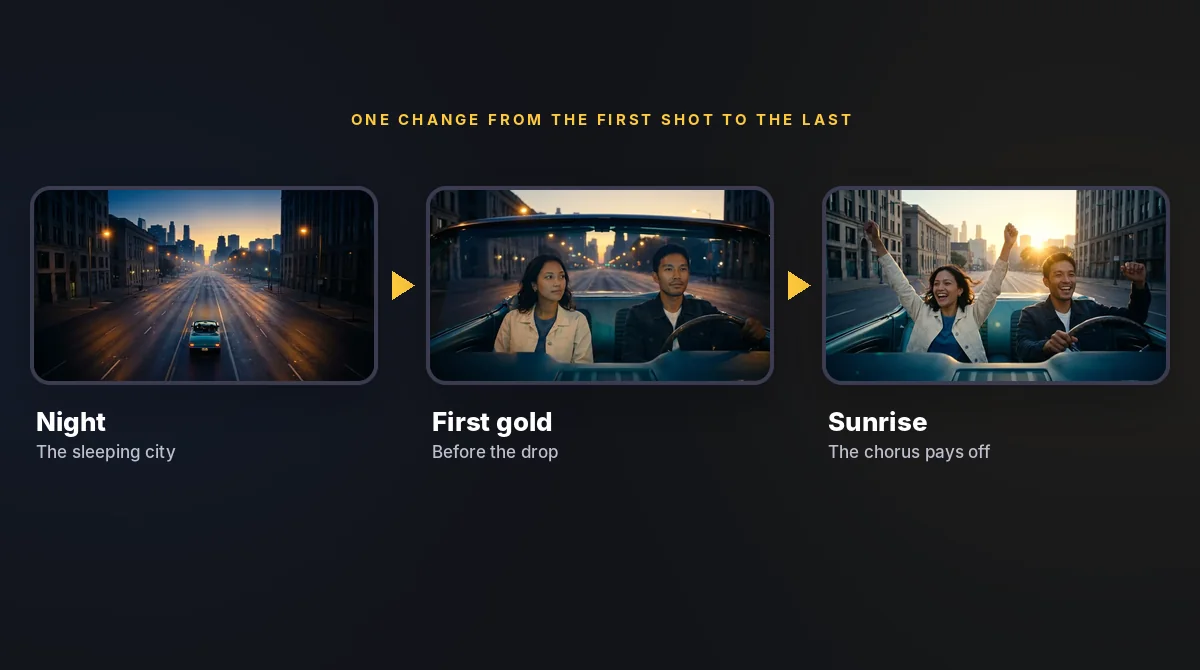
Tres fotogramas de Night Drive en orden, con flechas entre ellos: la ciudad vacía de noche, los dos protagonistas ante la primera luz dorada y el estribillo al amanecer.
Tres fotogramas del storyboard de “Night Drive” en el orden de la historia, desde la apertura en la ciudad de noche hasta el estribillo al amanecer

Del tratamiento al storyboard, al beat

Un tratamiento dice qué ocurre; un storyboard dice cuándo. Envía este a Muvora y el director planifica cada plano sobre los tiempos fuertes y las secciones de tu canción, dibuja los fotogramas de estilo y muestra el precio exacto antes de que generes nada.

Preguntas y respuestas

¿No encuentras lo que buscas? Empieza un storyboard gratis y compruébalo por ti mismo.

¿Qué es un tratamiento de video musical?

Un documento breve, normalmente de una a cinco páginas, que describe un video musical antes de hacerlo: el concepto, la historia o el arco a lo largo de la canción, el estilo visual, el reparto, las localizaciones y los planos clave.

¿Qué extensión debe tener un tratamiento?

Lo bastante larga para dejar clara la idea y lo bastante corta para leerse en unos minutos. Para un video independiente, una o dos páginas más unas cuantas imágenes de referencia suele ser lo adecuado.

¿Necesito un tratamiento para un video musical con IA?

Ayuda. Cuanto más claros sean tu concepto, tu protagonista, tus lugares y tu motivo, más concreto será cada plano. Puedes pegar la logline y los detalles directamente en el cuadro de ideas de Muvora.

¿Se guarda mi tratamiento en algún sitio?

No. El generador funciona en tu navegador; nada de lo que escribes se envía a un servidor. Cópialo o descárgalo antes de cerrar la página.

Tu canción merece un video musical

Sube un tema y recibe en minutos un storyboard gratis sincronizado con el ritmo. Renderízalo cuando lo decidas.

No necesitas tarjeta para empezar.