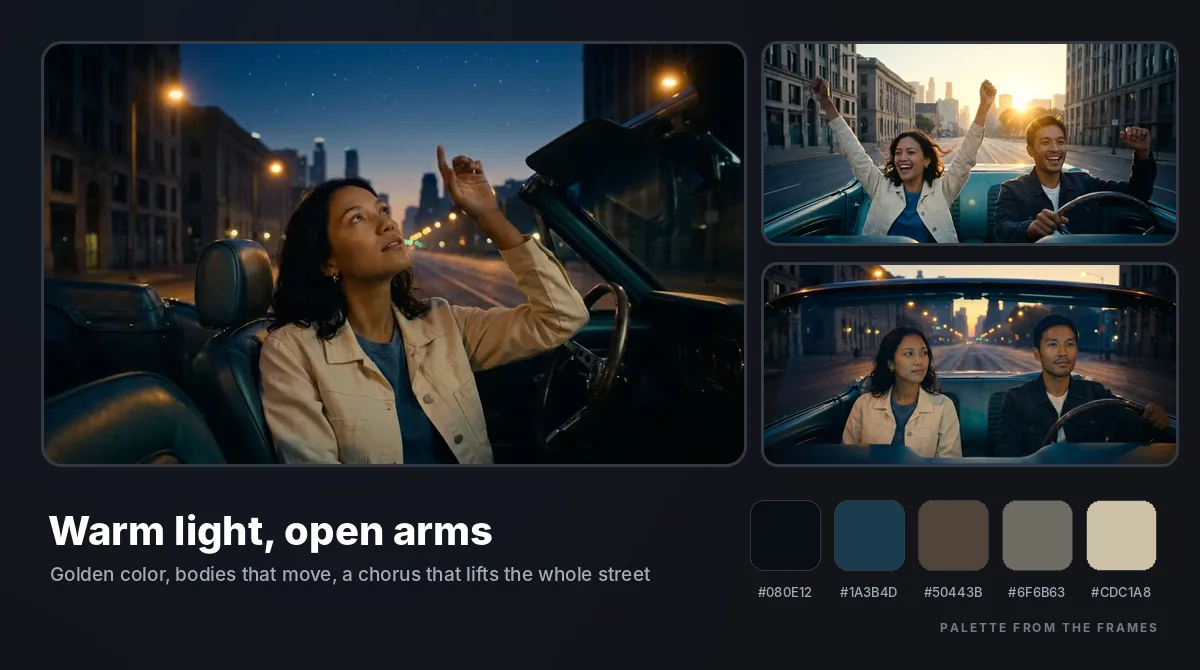
Car wash at dusk
Story style, EDM look: the car wash on the corner turns into the party the moment the log drum comes in.
Amapiano takes its time. A track can spend a minute on shakers, keys and a vocal before the log drum arrives, and when that deep, pitched bass finally lands, a room that was nodding starts to move. The video should wait with the music and then answer it. Upload your track and Muvora maps its bars, its long builds and the moments the energy jumps, plans the cuts at the pace you choose and writes a storyboard around the place, the people and the moves you describe. Read it and change any shot for free; you pay only when you render.
Free to start · 5 storyboards a month · No card needed
Most amapiano sits around 108 to 115 BPM, so a bar runs a little over two seconds and the shot planner has room to let pictures breathe. There's no amapiano look, and the choice between the three that fit decides how the build feels. On a typical arrangement at 112 BPM, the EDM look holds the intro two bars a shot (about 4.3 seconds), cuts the groove and the build every bar (about 2.1) and answers a drop with two quick half-bar shots of about a second each before settling back to a bar; hip-hop cuts at the same pace. The pop look keeps the build at two bars a shot right up to the drop, which suits a track whose build is the point. When the log drum comes in after a long, sparse stretch, the jump is often big and lasting enough for the analysis to call it a drop, and a drop always gets a cut and a two-frame white flash. If yours creeps in under the shakers, play the storyboard with the song and drag the nearest cut onto it; hold Alt to place it on any beat. Typing amapiano in the song's genre field doesn't pick a look, so choose one on the vibe step. Find the tempo with tap tempo first.
See your song as a storyboard first
Upload the track and the AI director plans every shot on the beat in minutes. Edit anything for free; you only pay if you render.
Amapiano videos are about people moving somewhere you can feel the heat, and the idea box (up to 600 characters) is where you put them. Name the place and the hour: a backyard on a Sunday afternoon with a gazebo and plastic chairs, a car wash at dusk with a speaker on the back of a pickup, a hair salon on the busiest Saturday of the month, a rooftop as the streetlights come on, a long table outdoors with the food still coming. Give it two or three colors and say what's lit: low sun, string lights, headlights, the fridge in a corner shop. Dancing is the heart of it, and in the pictures it's AI-made motion, not choreography you can direct step by step. Describe the shape of a move rather than its name (knees bent, a slow shuffle, shoulders loose, a turn at the end of a phrase), because a dance challenge's name means nothing to a video model, and keep two to four dancers in a shot so each body reads. Moves inside a shot follow your words, not your tempo; the cuts are what land on the beat. Real people are never drawn, so no famous DJ or dancer can appear, and no lettering is drawn, so shop signs carry no words. Describe outfits by cut and color (a bucket hat, a pleated skirt, a matching two-piece) rather than by brand. The Afrobeats music video ideas guide has amapiano concepts among its 16.
When a vocalist carries the hook, Performance lip-syncs them from one clear, front-facing photo with the consent box ticked, and they can turn up in other shots too, arriving at the party or dancing at its edge. Short chants and shouted phrases over the groove rarely fill half a shot with words, so those shots stay with the dancers, which is usually where you want them. Captions use the Latin alphabet, so lyrics in isiZulu, Sesotho, Setswana or English all show: paste them as you sing them, switching language line by line if that's how the song goes, rather than leaving the vocal to be transcribed. Many amapiano tracks run long, and an upload takes up to 8 minutes and 60 MB. A seven-minute WAV is over that size, so send it as FLAC or a high-bitrate MP3, and cut anything longer at a sparse stretch with the audio cutter. Made in 16:9, one render also gives a 9:16 cut for dance clips on TikTok and Reels, a square post and an 8-second Canvas. If your track sits closer to Afro-pop, the Afrobeats music video maker covers that side, and the house music video maker covers the four-on-the-floor side of the family.
Each card opens the upload with a style, a look and an idea already in the box. Change the place, the colors and the crew to your own; the cuts follow your track's own bars, and the Performance card asks for a photo on the vibe step.
Story style, EDM look: the car wash on the corner turns into the party the moment the log drum comes in.

Performance, pop look: you sing the hook in a backyard on a Sunday afternoon, the build left long and patient.

Abstract style, EDM look: for an instrumental, a rain-wet courtyard that ripples outward when the bass arrives.

Story style, hip-hop look, 9:16: four friends dance on the top floor of a parking garage at sunset, framed tall for clips.
Drop in an MP3, WAV, M4A or FLAC up to 8 minutes. Muvora finds the tempo, the beats, the downbeats and the sections of your song, like intro, verse and chorus.
An AI director writes a shot-by-shot plan timed to your downbeats. Rewrite any prompt, drag a cut (it snaps to the beat) or ask AI to redo a shot. None of it costs anything.
See the final price, then render. Pick Visualizer, Standard or Cinematic quality. If a shot fails, its credits come straight back.
Free storyboard in minutes. No card needed.
Can't find what you need? Start a free storyboard and see for yourself.
Yes. Upload the finished track (MP3, WAV, M4A, AAC or FLAC, up to 8 minutes) and the analysis finds its tempo, its bars, the long builds and the moments the energy jumps. Choose a style and a look, describe the place and the people in the idea box, and the AI director writes a storyboard you can edit for free before rendering.
EDM, or hip-hop, which cuts at the same pace: both trim shots by about a fifth, so the groove changes picture every bar. Pick pop when the build should stay patient, since it holds those shots twice as long. There's no amapiano look; the place, the light and the dancing come from what you write.
Often. When the log drum arrives after a sparse stretch and the energy stays up, the analysis usually marks a drop there, and every drop gets a cut and a short white flash. If the entry is gradual it may not count; drag the nearest cut onto it in the editor, holding Alt to place it on any beat.
It can show people dancing, but not a specific routine step by step: the moves are AI-made motion that follows your description. Describe the shape of each move rather than its name, keep a few dancers in each shot, and re-roll a shot where a move comes out wrong; re-rolls are free up to 10% of the video's length.
Yes, if the file is under 60 MB. Uploads take up to 8 minutes, but a 16-bit, 44.1 kHz stereo WAV passes 60 MB at about six minutes, so export a seven-minute track as FLAC or a high-bitrate MP3. Anything over 8 minutes needs cutting into parts first.
Planning is free: the storyboard costs nothing to read or change, and the free plan makes 5 new ones a month. Rendering is priced per finished second, so a long track costs more than a short one: a 3-minute piece is 6,840 credits in Visualizer, 10,800 in Standard or 19,800 in Cinematic, with lip-synced seconds at 75. The exact total shows before you generate.
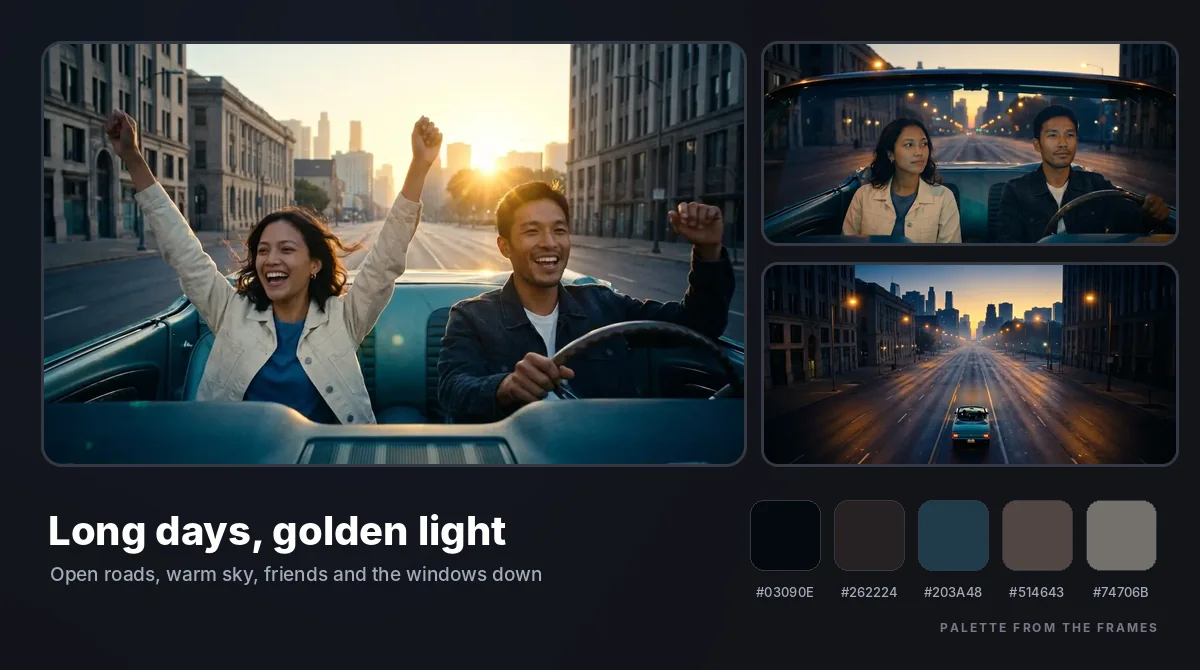
16 concepts for Afrobeats, amapiano and Afro-pop: streets, parties, romance and dance, with the color, light and pacing that suit the groove.
Read the guideAfrobeats and amapiano videos with warm color, real places and cuts that sit on the groove.
Learn more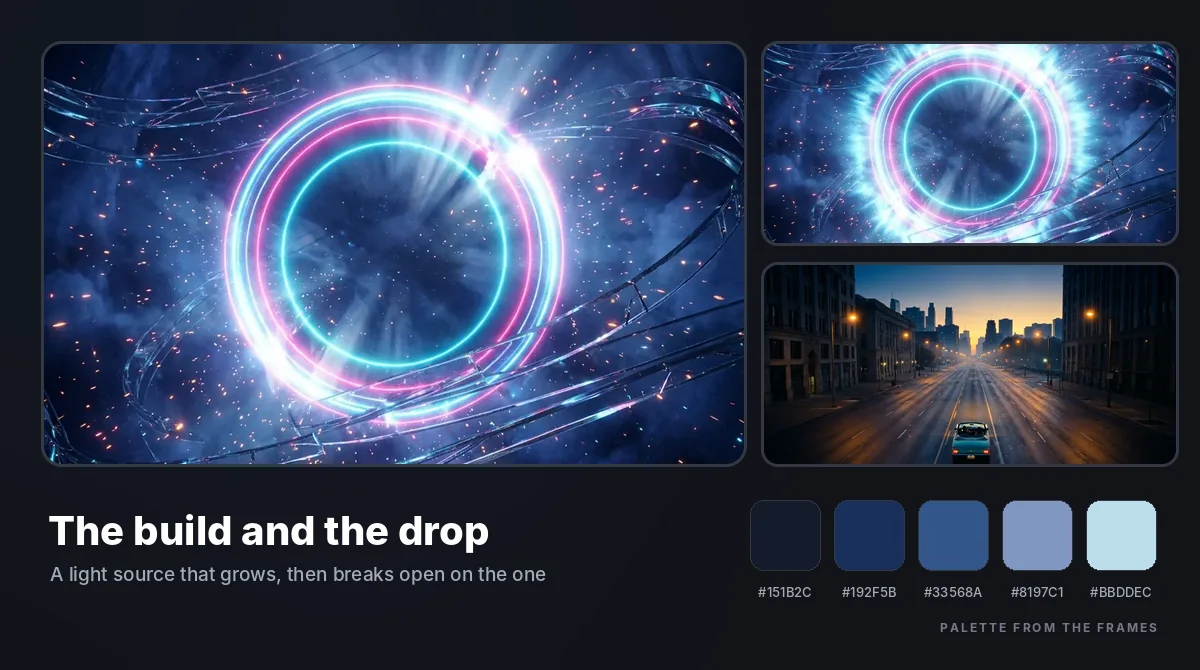
House tracks cut on the bar over a four-on-the-floor kick, with a flash where the kick comes back and rooms full of people dancing.
Learn more
Build-ups, drops and lasers that hit exactly on the one.
Learn more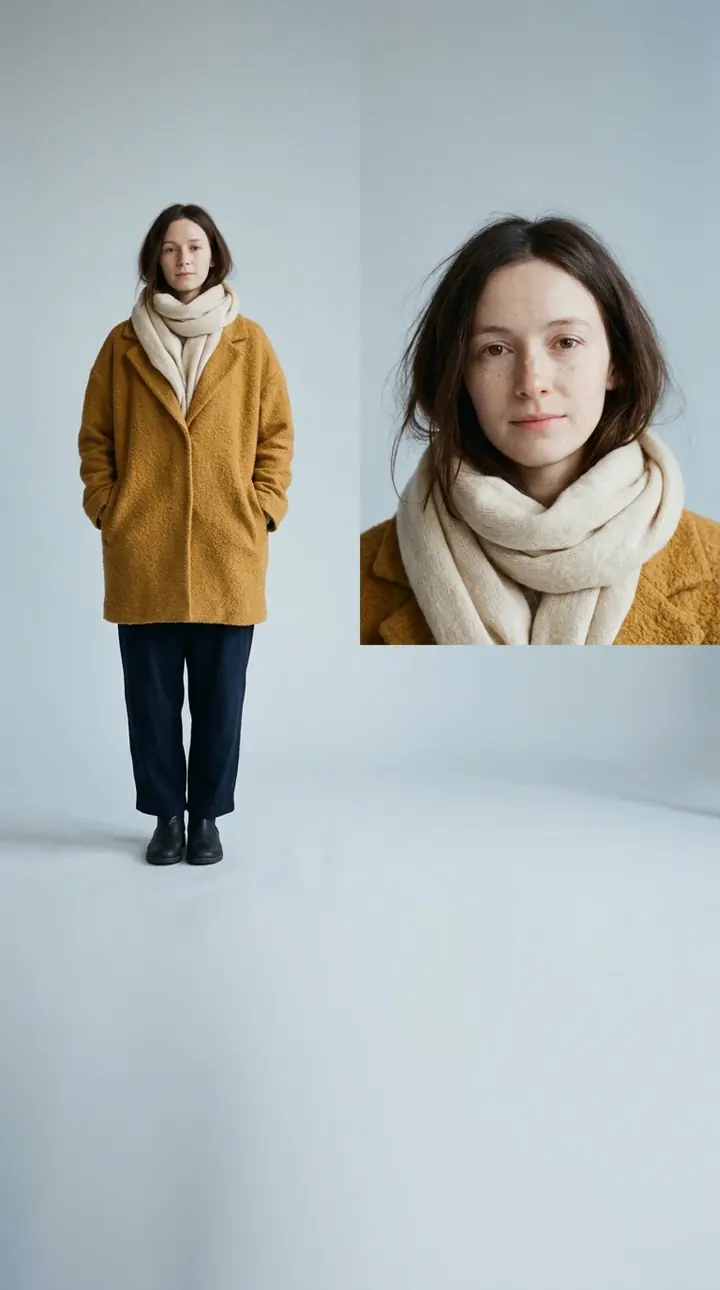
Vertical 9:16 cuts of your hook, priced by the second.
Learn more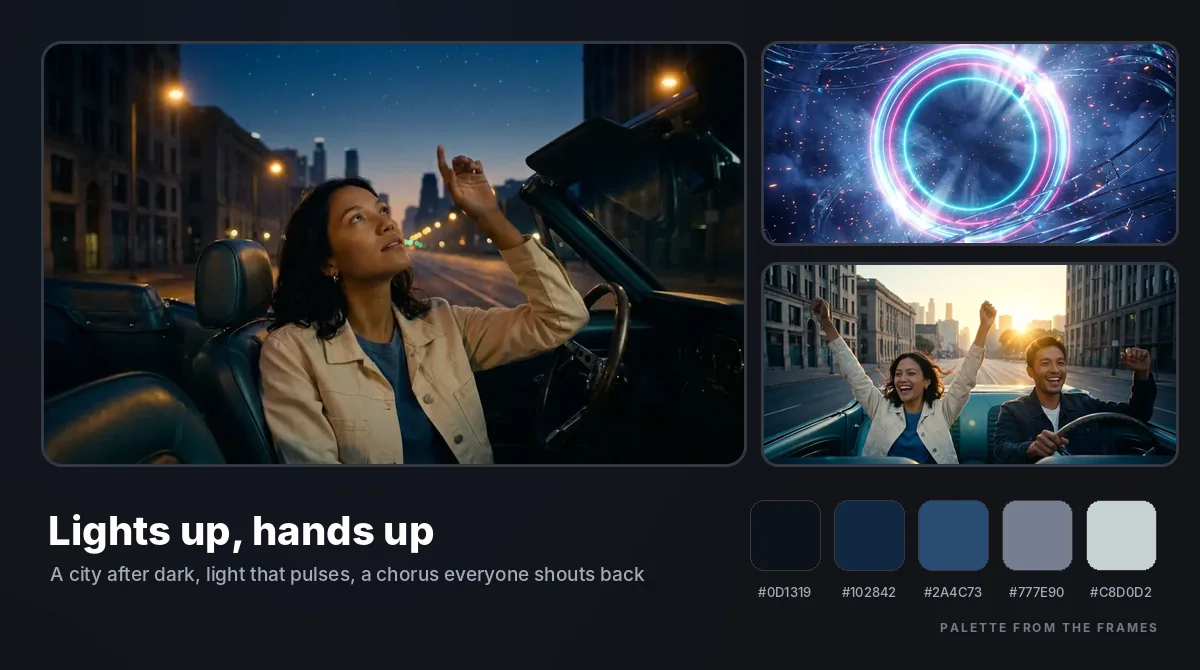
16 concepts for house parties, clubs, celebrations and party lights, with how to show a crowd and dancing so the video holds together.
Read the guide
A singer made from one photo, lip-syncing to your vocals where the song is sung.
Learn moreTap along to any song to find its BPM, with half and double time and how steady you are.
Open the toolCut a 15 to 60 second clip from a song that starts and ends on a bar line, add fades and save it as a WAV.
Open the tool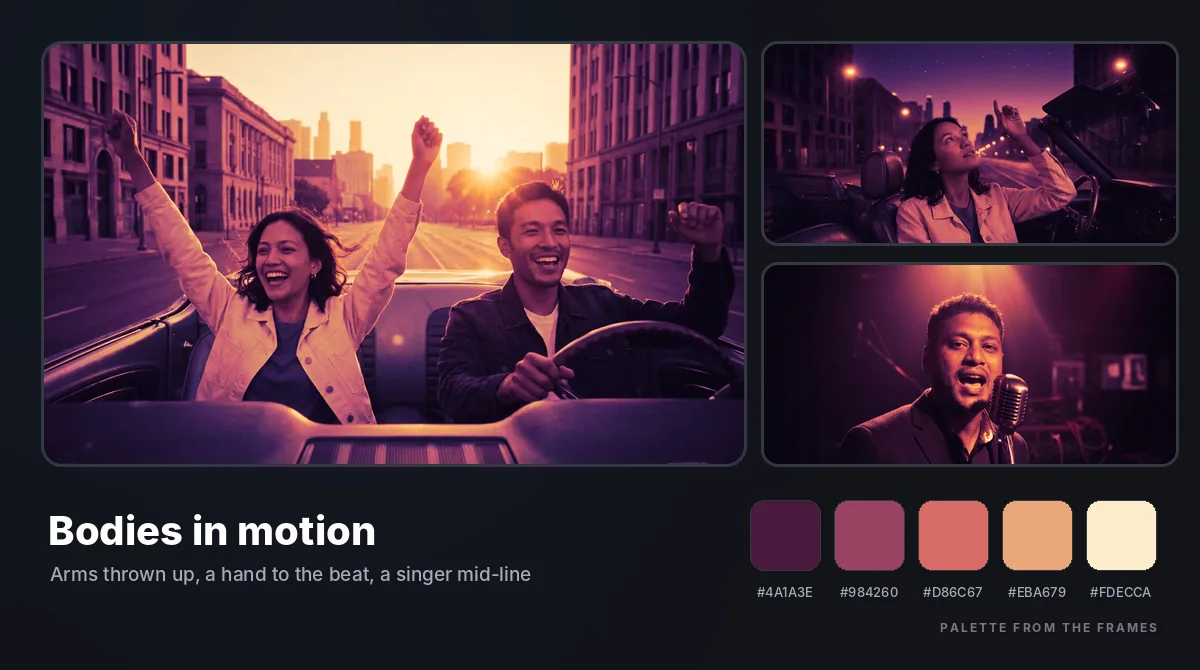
15 dance music video ideas for pop, house and club tracks: people with a reason to move, party light that moves with them, and drops that land.
Read the guideUpload a track and get a free beat-synced storyboard in minutes. Render it when you are ready.
No card needed to start.



