
Night drive, no destination
Story style, hip-hop look: a driver takes an old coupe through an empty city, with the slides saved for the drops.
Phonk spreads through short clips: a car sliding through a corner at night, a face lit green by a dashboard, a cut that slams in with the cowbell. Many of those clips are edits of someone else's footage. If you produce phonk, Muvora gives your own track pictures made for it: upload the song, describe the cars, the roads and the light, and get a storyboard cut hard on the downbeats that you can rework for free before rendering.
Free to start · 5 storyboards a month · No card needed
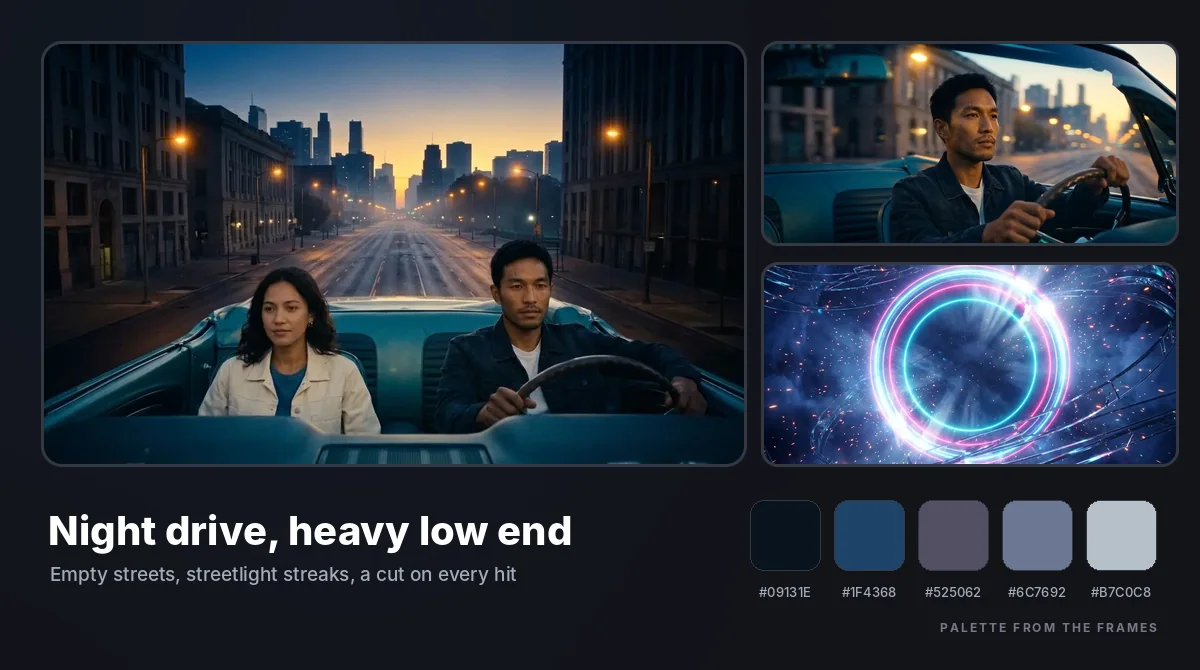
Phonk is usually fast, so the shot planner's half-time rule does a lot of the work. At 140 BPM a bar lasts about 1.7 seconds, and a loud hook cuts on nearly every one. Above 150 BPM a bar drops under 1.6 seconds and the planner counts bars in pairs, so a 160 BPM hook gets shots of 1.5 to 3 seconds instead of a strobe. Every cut lands on a downbeat, every section change is a cut, and every drop gets one too, with a two-frame white flash and shorter shots in the bar right after it. The hip-hop look cuts about a fifth tighter than pop, which suits phonk's push. Not sure of the tempo? Run the track through the BPM and key finder.
See your song as a storyboard first
Upload the track and the AI director plans every shot on the beat in minutes. Edit anything for free; you only pay if you render.
Drift phonk's world is easy to write once you name it: an empty overpass under sodium lamps at 3 a.m., tire smoke lit red by taillights, a parking garage's flickering tubes, rain on a windshield with the wipers going, a driver's face in the green and amber of the gauges. Describe the car by its kind, not its badge (a faded silver nineties coupe with pop-up headlights), since no logo or lettering is ever drawn. For the darker Memphis side, ask for heavy grain, crushed blacks and a red tint: a cassette deck's glow, one streetlight over an empty lot, smoke curling through a single beam. Fast car action is where AI video slips most (a wheel that warps, a slide the wrong way), so give each shot one simple move and re-roll the misses, free up to 10% of the video's length.
Muvora doesn't take uploaded footage: it draws every frame new from the storyboard, with an invented cast and never a real person, so nothing in the picture belongs to anyone else. The audio is another matter. Phonk often samples old Memphis rap vocals and other records, and a sample needs clearing for release whatever the video shows, because platforms match the sound. The music video copyright guide covers what to check. One 16:9 render gives you the YouTube video, a 9:16 cut for TikTok and Shorts, a square post and an 8-second Canvas loop for Spotify; if the track lives on short clips, pick 9:16 at upload so every frame is drawn tall.
Each card fills in the style, the look and the idea, ready for your track. Change the car, the roads and the colors to your own; the cuts come from your song's downbeats and drops.
Story style, hip-hop look: a driver takes an old coupe through an empty city, with the slides saved for the drops.

Story style, hip-hop look, 9:16: tall shots of rain, headlights and fog for TikTok and Shorts.
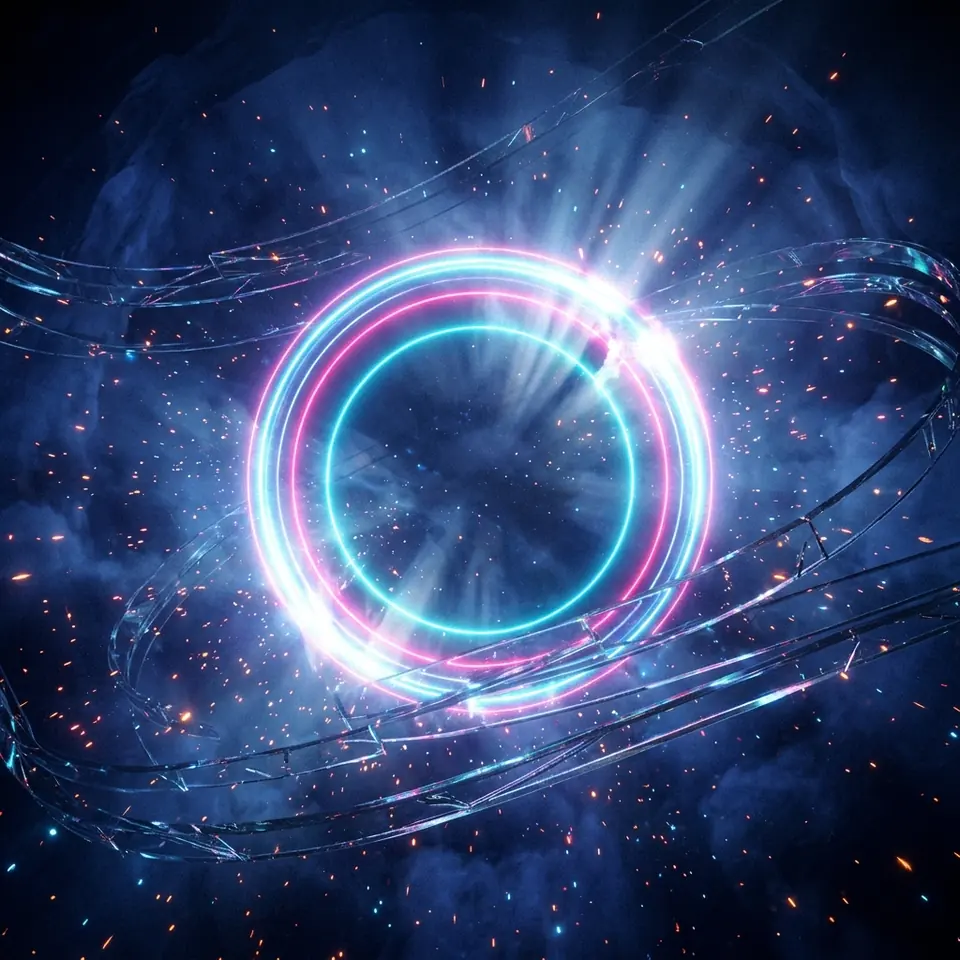
Abstract style, hip-hop look: grain, red light and smoke for a darker, older-sounding track.
Drop in an MP3, WAV, M4A or FLAC up to 8 minutes. Muvora finds the tempo, the beats, the downbeats and the sections of your song, like intro, verse and chorus.
An AI director writes a shot-by-shot plan timed to your downbeats. Rewrite any prompt, drag a cut (it snaps to the beat) or ask AI to redo a shot. None of it costs anything.
See the final price, then render. Pick Visualizer, Standard or Cinematic quality. If a shot fails, its credits come straight back.
Free storyboard in minutes. No card needed.
Can't find what you need? Start a free storyboard and see for yourself.
Not from other people's footage: there's no clip upload, and every shot is made with AI from a storyboard of your song. What you get is an original video in the same spirit (night cars, hard cuts, a flash on the drop), cut to your own track's downbeats.
Yes. The analysis reads the audio file itself, whatever the subgenre, and finds the tempo, downbeats, sections and drops that the cuts follow. Hip-hop and EDM cut at the same driving pace, so pick either, then write the scene in the idea box, such as a coast road at dusk or a hillside neighborhood's stairways at night, with the colors you want.
Story, with an invented driver or crew, or Abstract for light and shape with no people. Performance lip-syncs a singer to sung vocals, so a track with only short vocal chops gives it few or no singing shots, and captions appear only when the song has lyrics to time.
Claims come from the audio, not the pictures. If the track uses an uncleared sample, its owner may claim it; and if your distributor registered the release with Content ID, your own upload can be claimed too, which is usually fixed by asking the distributor to allowlist your channel.
Yes. Describe a drawn style in the idea box (2D animation with hard shadows and a cold blue palette, say) and the brief, the style frames and every shot follow it, with a cast invented for your video. On-screen text, a staple of edits, isn't drawn: the only words that can appear are your lyric captions.
Planning is free, and rendering is priced per finished second: 38 credits a second in Visualizer, 60 in Standard and 110 in Cinematic. If you only need the hook for short clips, upload a 20 to 30 second cut of it as its own song: it gets its own storyboard and costs only its own length.
Night streets, low angles and cuts that hit with the snare.
Learn moreVisuals for the beats you sell or share, cut on the kick and ready for YouTube.
Learn more
Vertical 9:16 cuts of your hook, priced by the second.
Learn more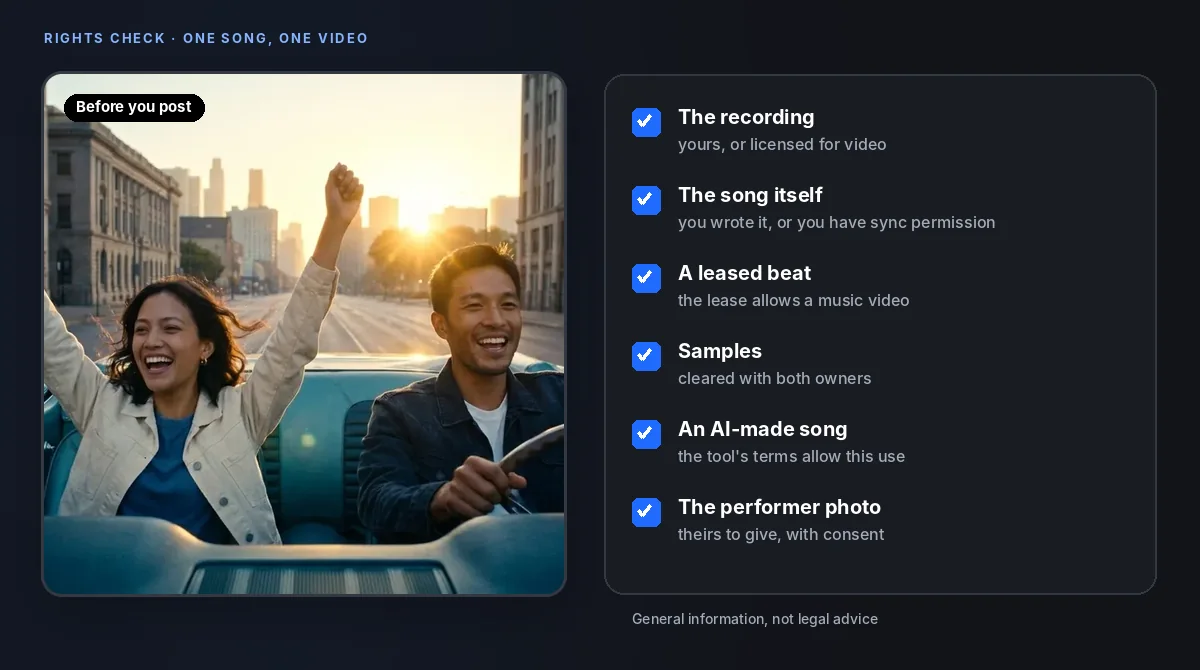
Covers, samples, leased beats, AI songs and Content ID: what to clear before you make and post a music video.
Read the guide
An 8-second vertical loop cut from your video, sized for Canvas.
Learn more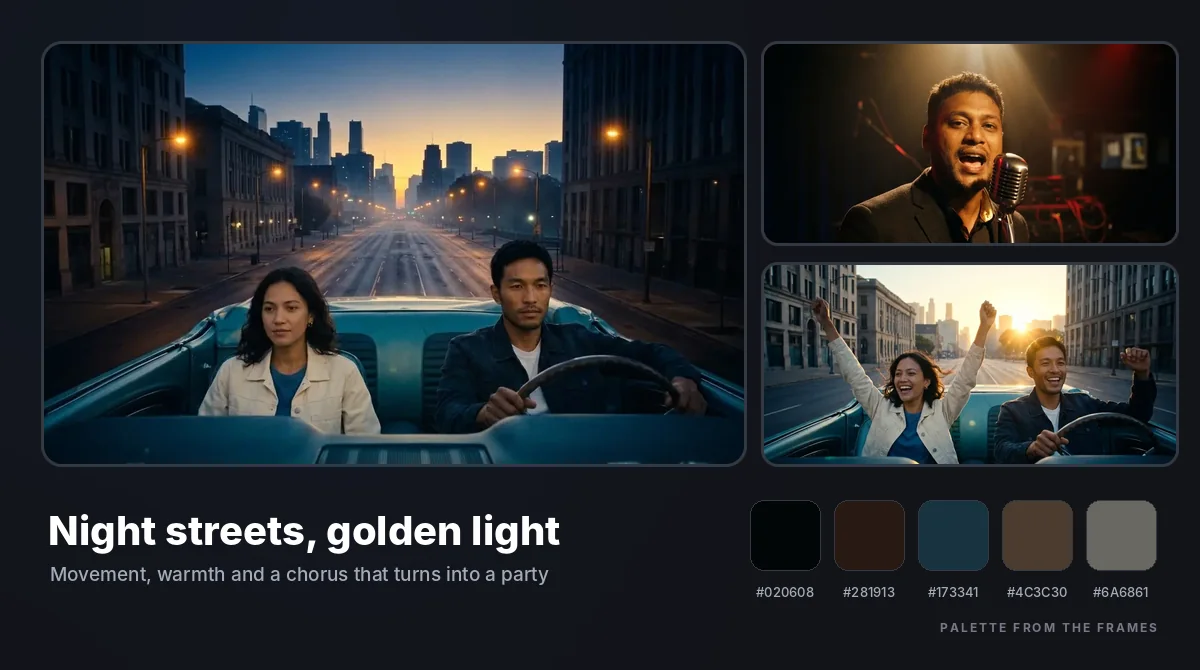
Reggaeton, bachata, corridos and Latin pop videos set in places that feel lived in, cut on your song's downbeats.
Learn more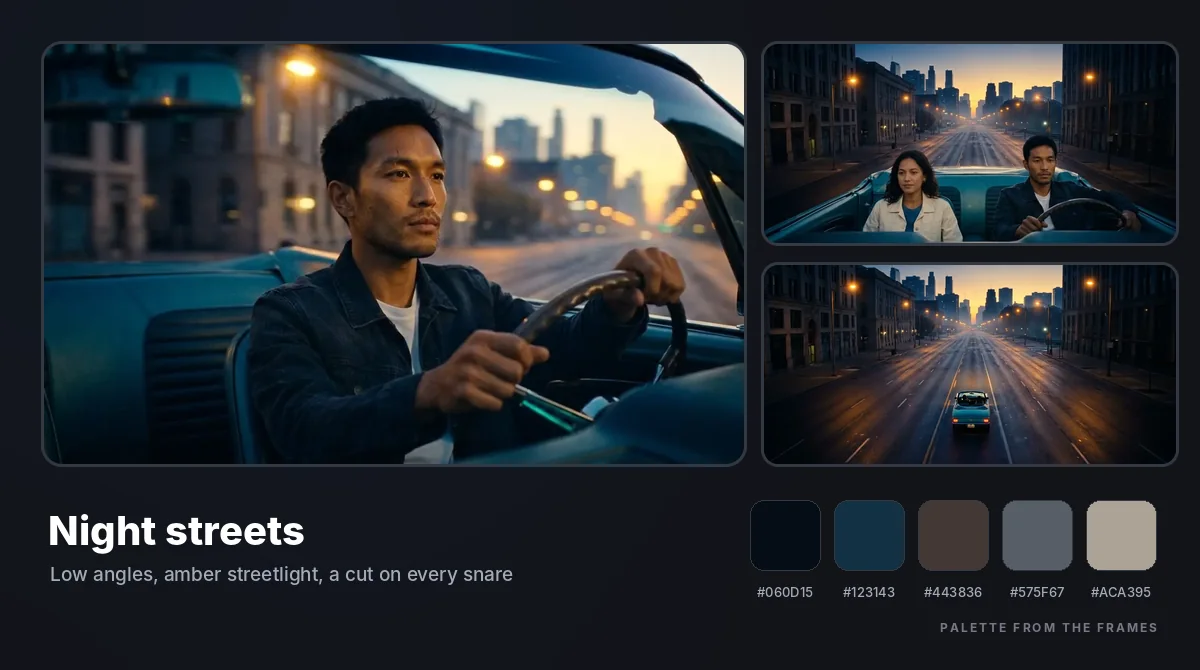
Trap videos with the hook cut on every bar, a flash on the drop, night places you describe and your verses lip-synced from one photo.
Learn moreUpload a track and get a free beat-synced storyboard in minutes. Render it when you are ready.
No card needed to start.




