The short answer
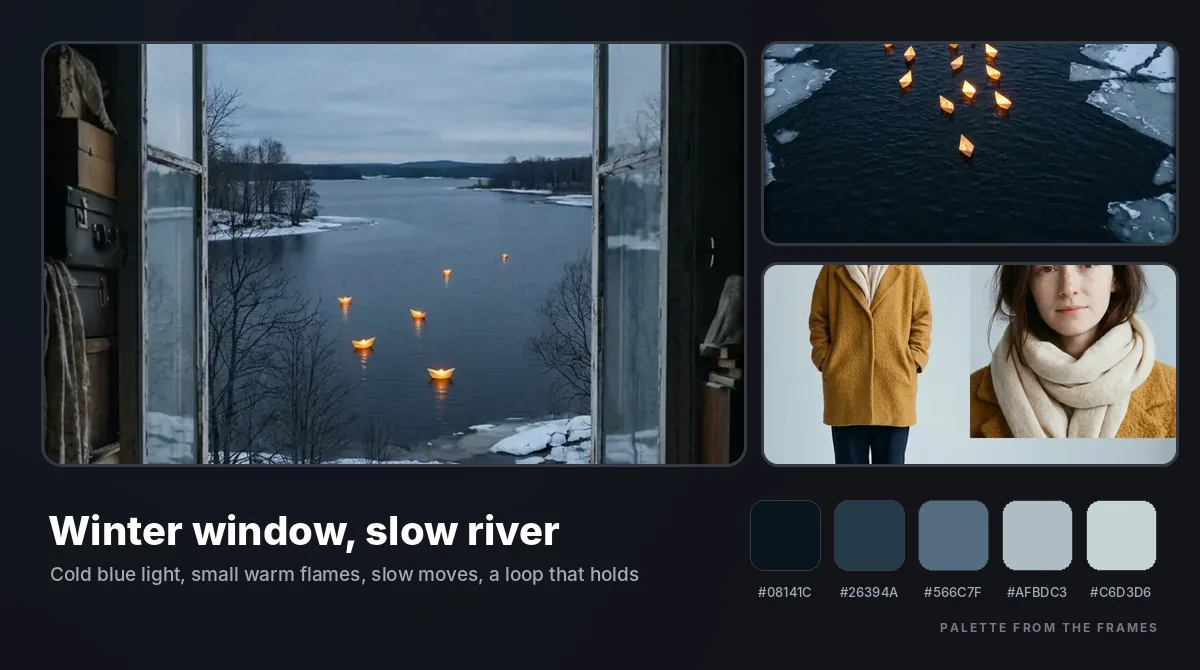
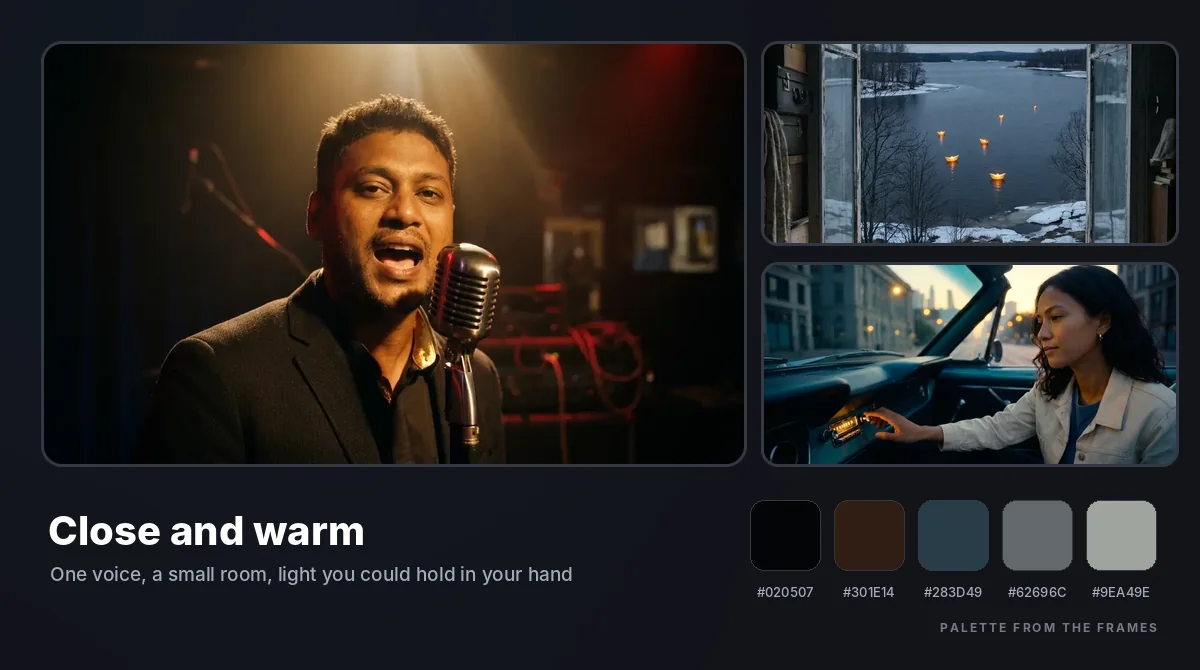
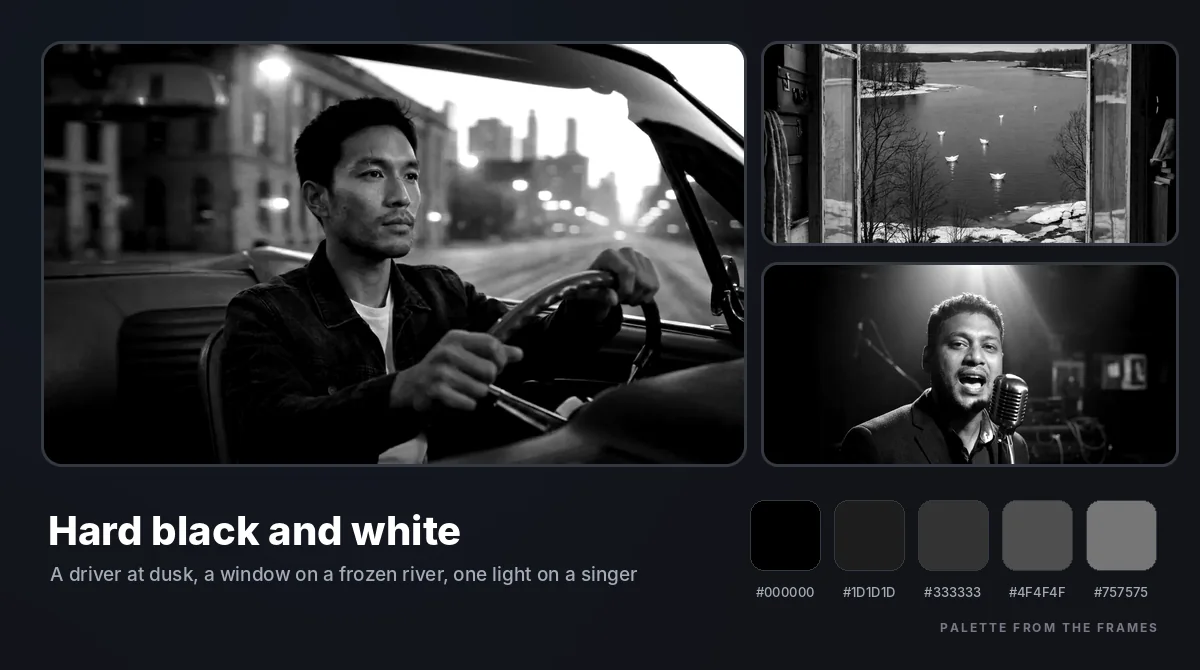
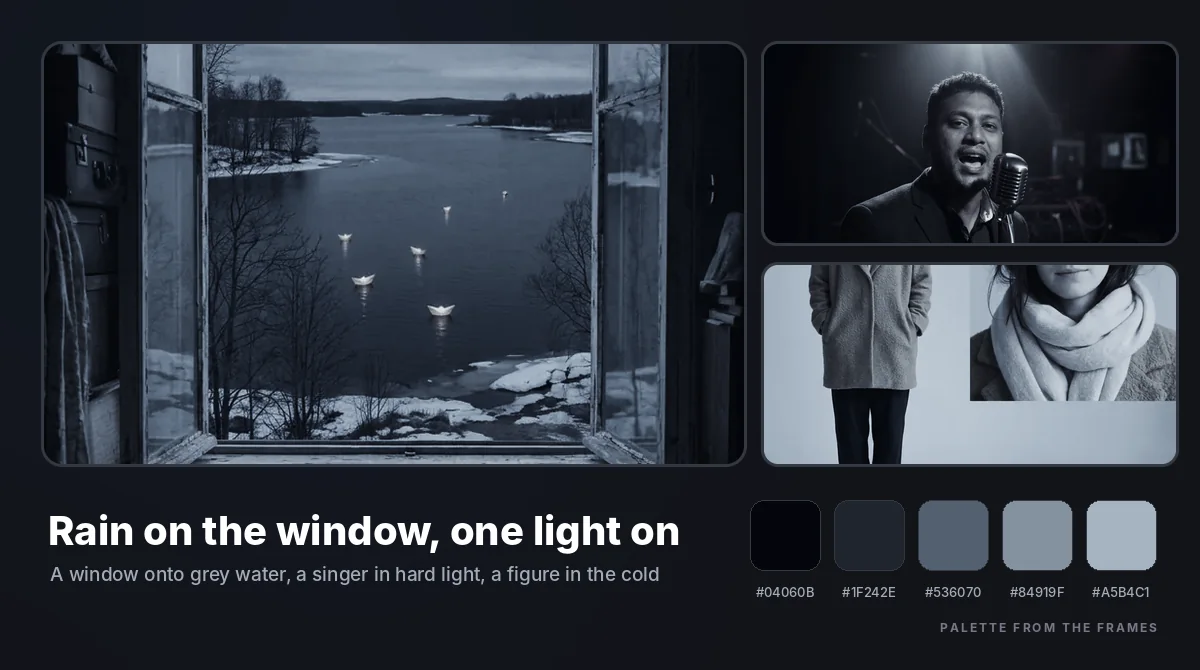
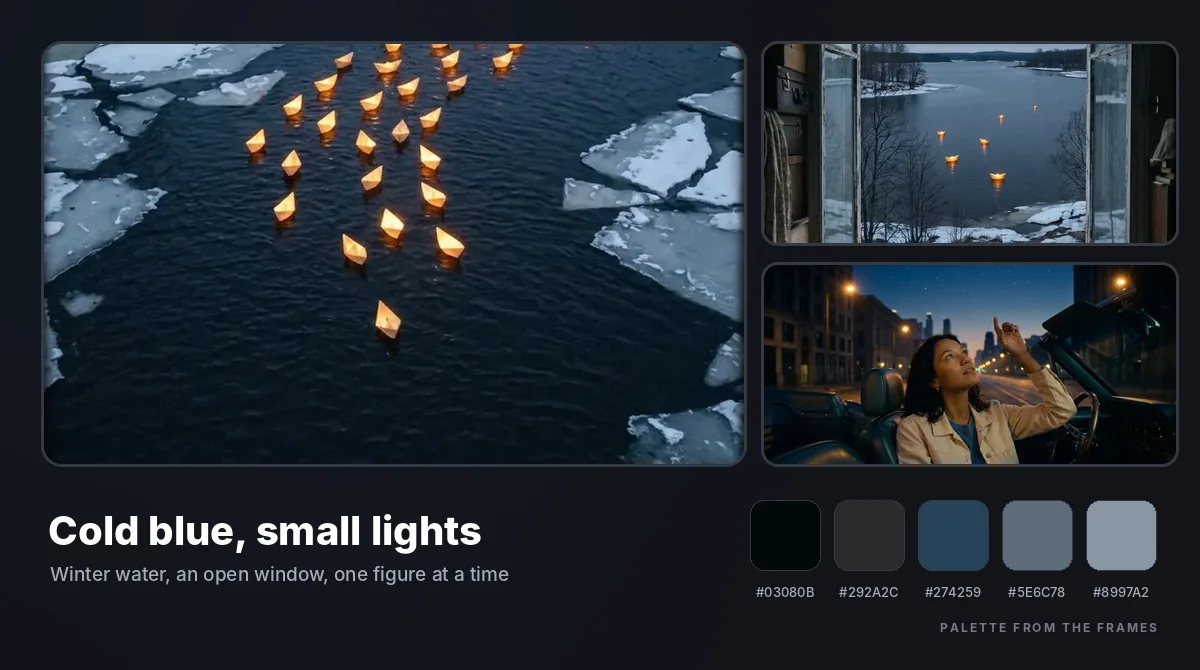
A good music video for a sad song shows loss through ordinary actions in quiet places: a closet half emptied, a table set for two out of habit, a figure small in a cold landscape. Keep the light cool with one warm accent, let shots hold in the verses, skip tears in every frame, and end on an image true to the song.
- Show what's missing through action, not crying: two cups, an empty chair, an unfinished job.
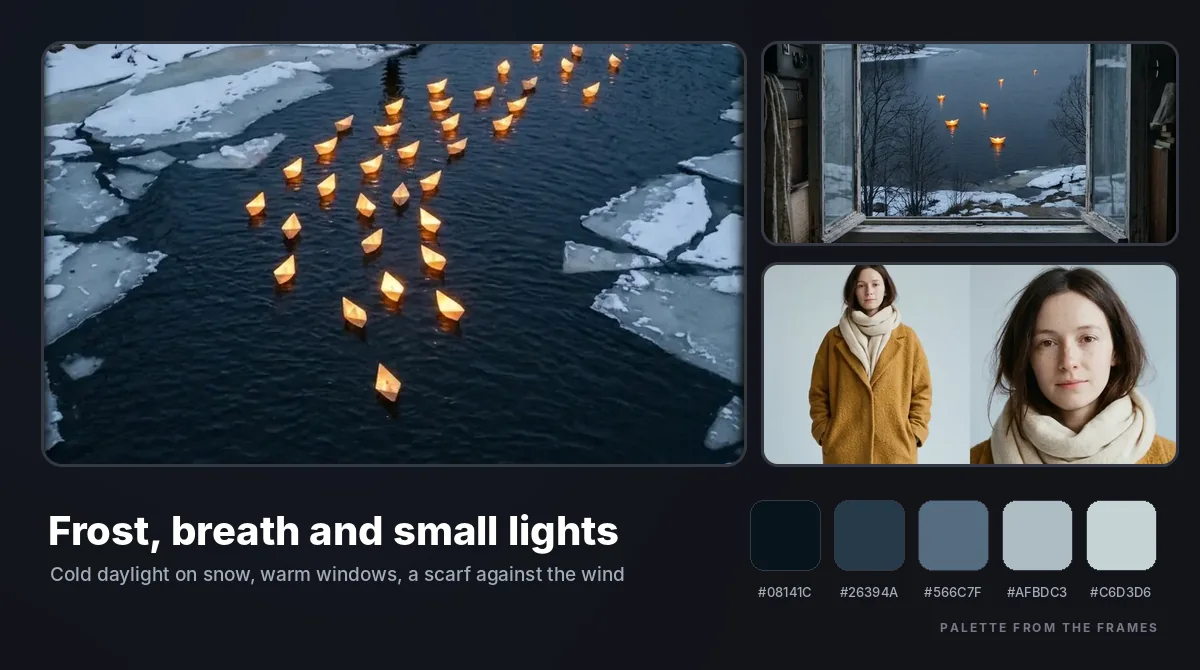
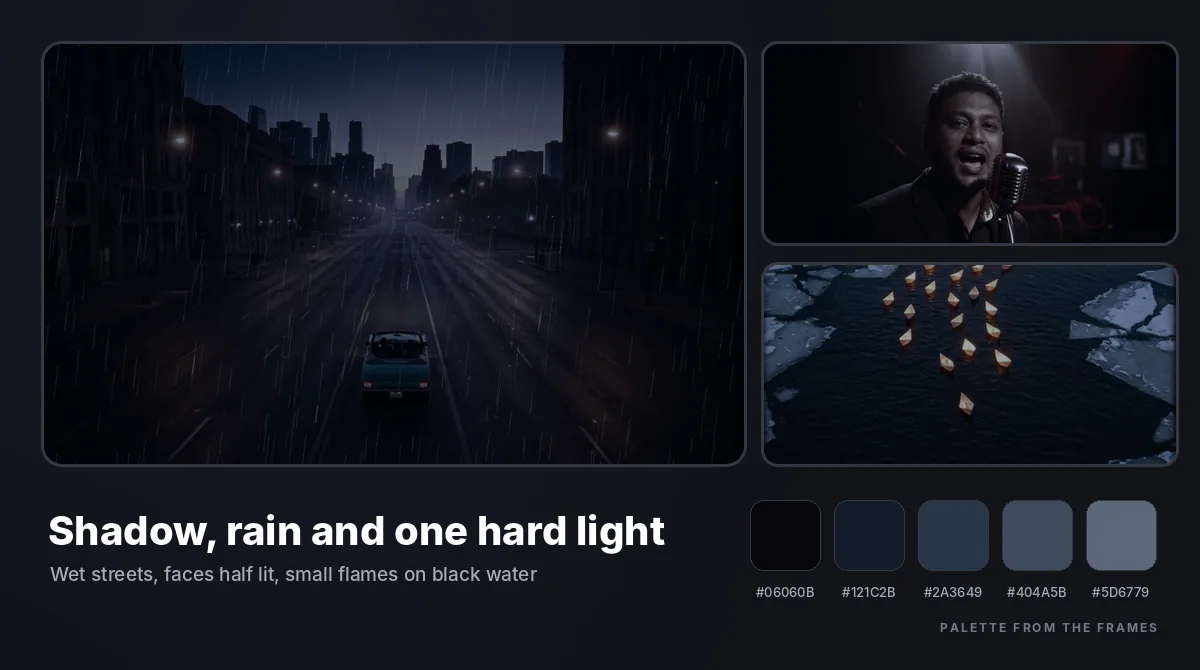
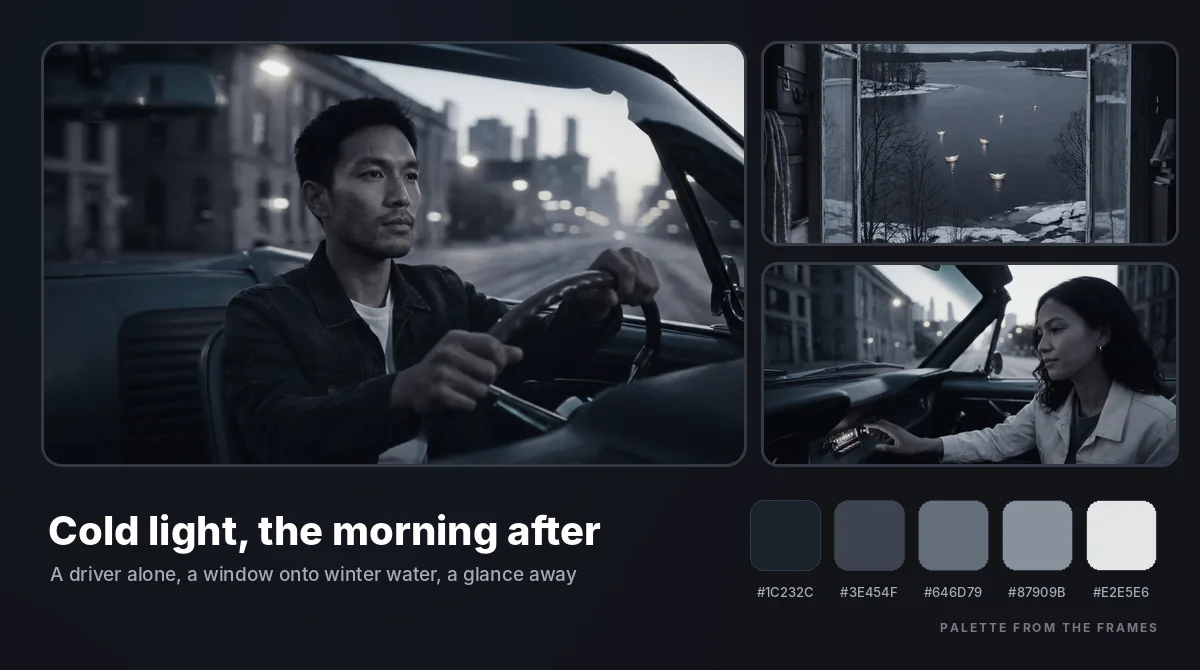
- Keep the light cool and fading, with one warm accent that stands for what was lost.
- Hold shots longer in the verses and give the chorus scale rather than speed.
- A cliché like rain on the window works only if it changes during the song.
- End true to the song: unresolved, or with one small sign of life.
On this page (7 sections)ShowHide
What makes a sad music video work
A sad song already does the crying. The video's job is to give the feeling somewhere to live: a place, a person and a situation the viewer recognizes from their own life. Videos that push harder than the song, with close-ups of tears, slow-motion screaming and black-and-white for its own sake, tend to feel staged. The ones people come back to are quieter and more specific.
- Show it through action. A man still buying two coffees. A daughter finishing the chair her father left half built. Grief and heartbreak read best in what people do with their hands.
- Leave room in the frame. Put the lead small and off center, with empty space around them: a long table, a wide beach, a deserted platform. Space is loneliness the viewer can see.
- Keep the light low and cool, with one warm thing. Overcast daylight, blue hour, a single lamp. One warm accent, such as a red coat, a candle or a lit kitchen window, can stand for what was lost.
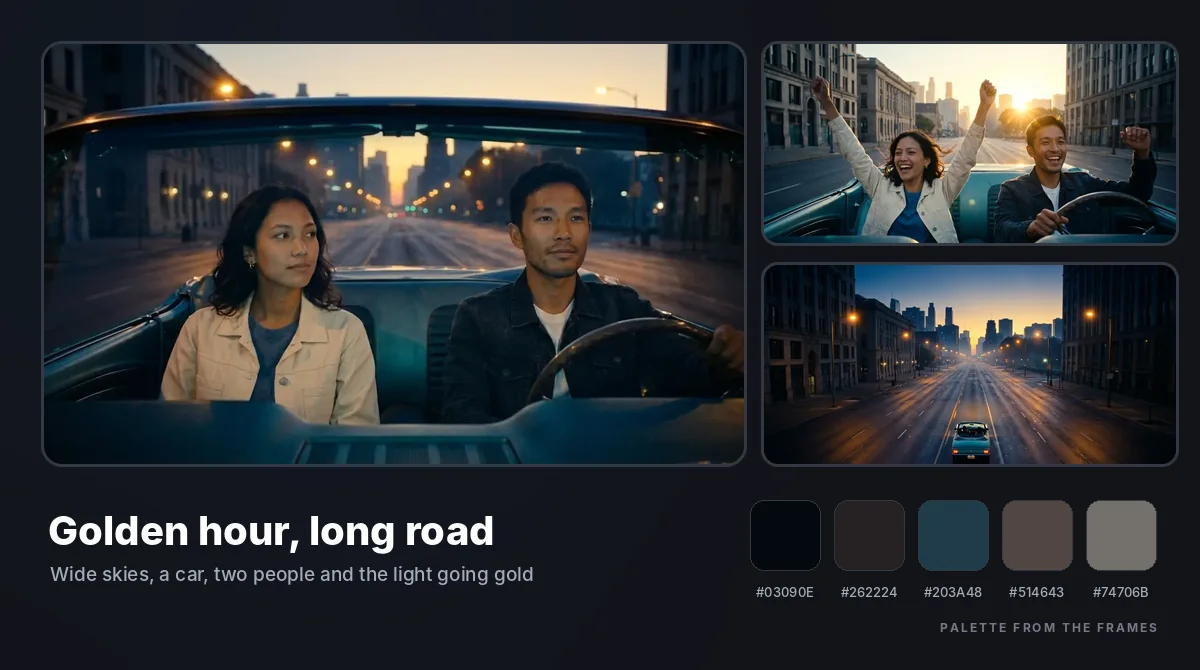
- Let the shots hold. Quiet verses can sit on one image for two bars or more; at 70 BPM that's nearly seven seconds. A long hold feels like sitting with someone.
- Give the chorus scale, not speed. Many sad songs open up in the chorus. Answer with a wider frame, a bigger landscape or the memory in full color, rather than a flurry of cuts.
- Use the bridge for the turn. It's where the flashback finally plays out in full, the box gets opened or the lead steps outside for the first time.
Each block is a shot. Same tempo, same bar grid: only the shot length changes with the energy.
See your sad song as a storyboard
Upload the song, describe the loss in a sentence and get a free storyboard with longer shots where the song is quiet and every cut on the beat.
Match the picture to the kind of sad
“Sad” covers very different songs, and each wants a different picture. A breakup song and a song about a parent who died share a tempo and a key, not a video. Name the feeling precisely before you choose an idea. For ideas sorted by genre rather than feeling, see music video ideas.
| The feeling | What to show | Light and color | Avoid |
|---|---|---|---|
| Heartbreak | The space the other person left: their side of the closet, a second toothbrush, a seat on the bus | Gray daylight, with warm memories cut in | Making the ex a villain |
| Grief | Routines that outlive someone: setting a table, tending a garden, finishing their work | Soft window light, dust in the air, one warm lamp | Hospital drama, a funeral in every verse |
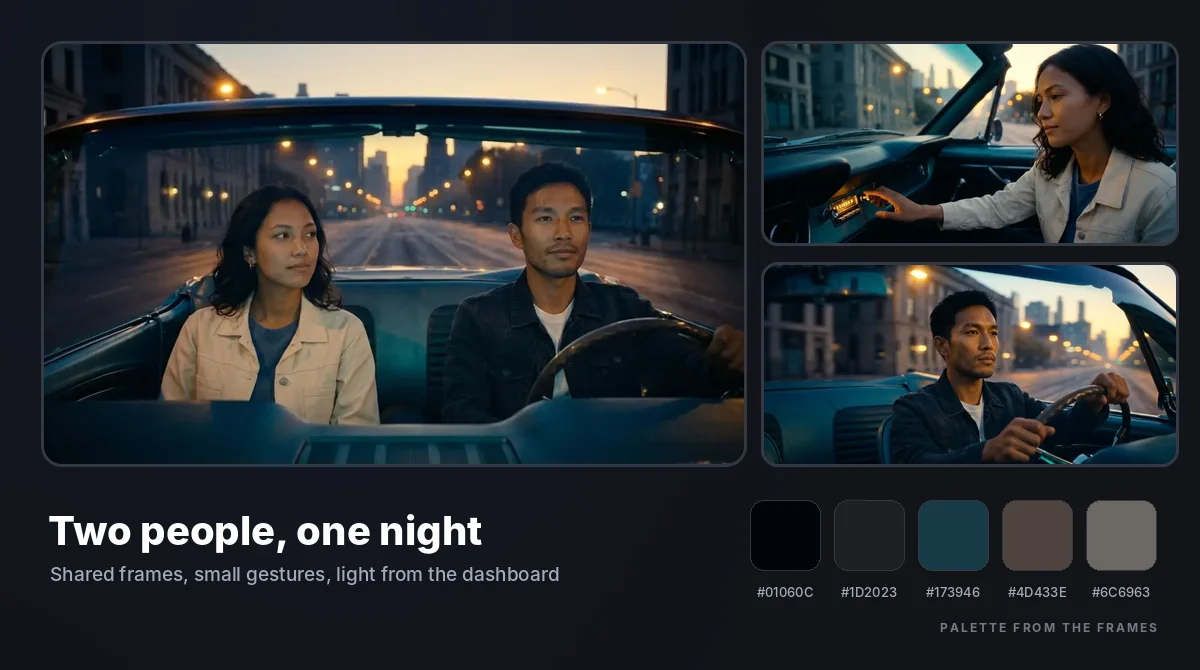
| Loneliness | A person among crowds, or alone in a big place | Night, fluorescent and neon, cold blue | A lead with nothing to do |
| Nostalgia | Places as they are now beside the memory of them | Faded warm tones for the past, cool for the present | One faded filter over everything |
| Regret | The same moment replayed, a road not taken | Dusk, the light running out | Flashbacks that explain instead of show |
| Hopeful sadness | The first step out: a window opened, a walk, a new face | Cold light warming by the final chorus | A happy ending the song doesn't earn |
Skip the blank page
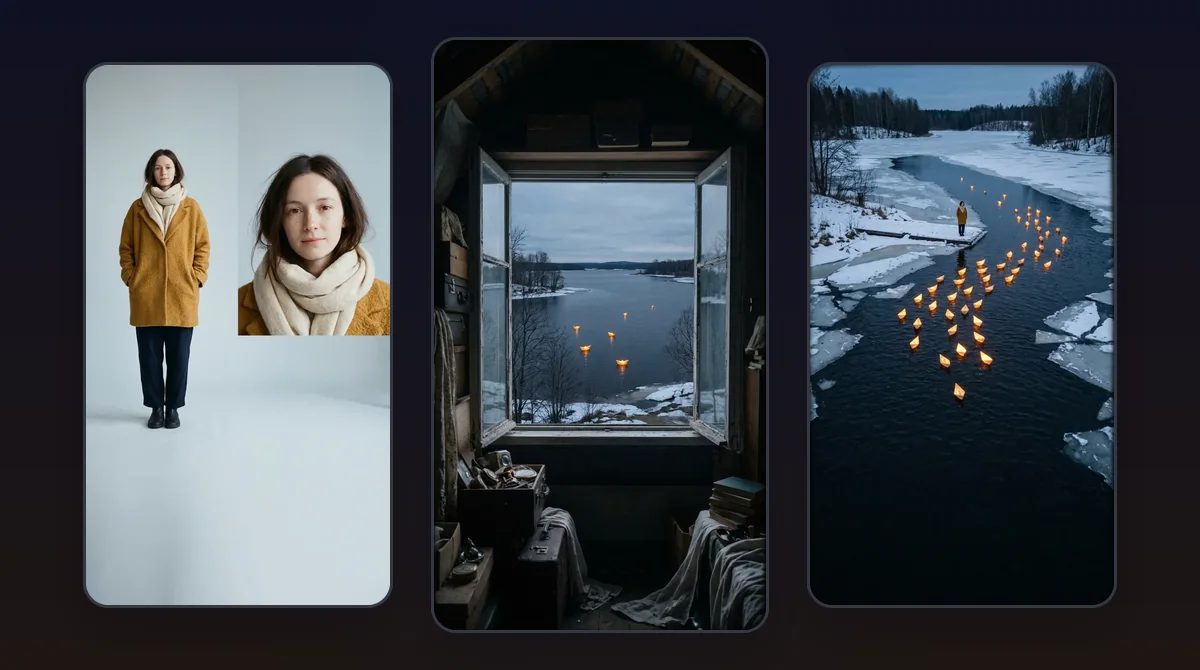
Upload your song and Muvora's AI director plans a shot-by-shot storyboard on the beat. Edit every shot for free, and pay only if you render.
Heartbreak and goodbye ideas
Breakup songs are the biggest family of sad songs. These four give a goodbye a situation instead of a montage of the couple's best days.
- Story · one apartment
Half the closet
The lead empties an ex's side of a shared closet, one thing per verse: a sweater, a pair of sneakers, a jacket they hold to their face before folding it. Each chorus remembers the day that thing arrived, in warmer light. The final chorus closes the closet on an empty rail, and the outro is the box by the front door.
Use this idea on my songUse this idea on my song - Story · told in reverse
The platform, backwards
Two people say goodbye on a train platform at dawn, and the story runs backward from there, one scene per section: the last hug, the argument in the station café, the happy trip that came before, and finally the same platform years earlier. The final chorus lands on the moment they first met there.
Use this idea on my songUse this idea on my song - Story · one location
First dance, alone
In an empty function hall still booked for a wedding that was called off, the lead dances alone the first-dance routine they rehearsed for months: chairs stacked, flowers delivered, one spotlight on. Each chorus a member of the cleanup crew stops to watch, and in the last one a friend sets down a broom and takes the empty side.
Use this idea on my songUse this idea on my song - Story · memory walk
Every place in the photo strip
The lead finds a four-frame photo-booth strip of the two of them and goes back to each place in it: a pier, a bus shelter, a stairwell, a Ferris wheel. Each is empty now, in gray daylight. Each chorus cuts to the memory in color, and the final shot is the photo booth itself, its curtain open.
Use this idea on my songUse this idea on my song
Grief and memory ideas
Songs about losing someone need the most care. The strongest approach is usually to show the life around the absence: the routines, places and objects that carry on after a person has gone, rather than the loss itself.
- Story · grief
The workshop
A daughter opens her late father's woodworking shop for the first time since the funeral. Dust hangs in the window light and his tools are still on the pegboard. Over the song she finishes the chair he left half built, one joint a verse, and in the final chorus she sits in it as the sun reaches the bench.
Use this idea on my songUse this idea on my song - Story · one kitchen
Breakfast for two
An old woman sets the kitchen table for two every morning out of habit. The seasons change in the window behind her through the verses: blossom, rain, falling leaves, snow. Each chorus she pauses with the second cup in her hand. In the last chorus her grandson comes in, shakes off the snow and sits in the empty chair.
Use this idea on my songUse this idea on my song - Story · animal lead
Waiting at the gate
A farm dog waits by the gate at the end of the drive every evening for someone who isn't coming back, while the seasons turn around it: tall summer grass, bare autumn trees, snow on the fence. In the bridge a child comes and sits beside it, and the final chorus is the two of them heading back to the lit house together.
Use this idea on my songUse this idea on my song - Story · one night
Waiting room, 4 a.m.
A family waits through one long night in a hospital corridor lit by a vending machine and a single tall window. The verses are small kindnesses: a coat laid over a sleeping shoulder, a shared coffee, a hand held. Each chorus watches the window turn from black to gray, and the final chorus fills it with sunrise.
Use this idea on my songUse this idea on my song
Loneliness, performance and lyric ideas
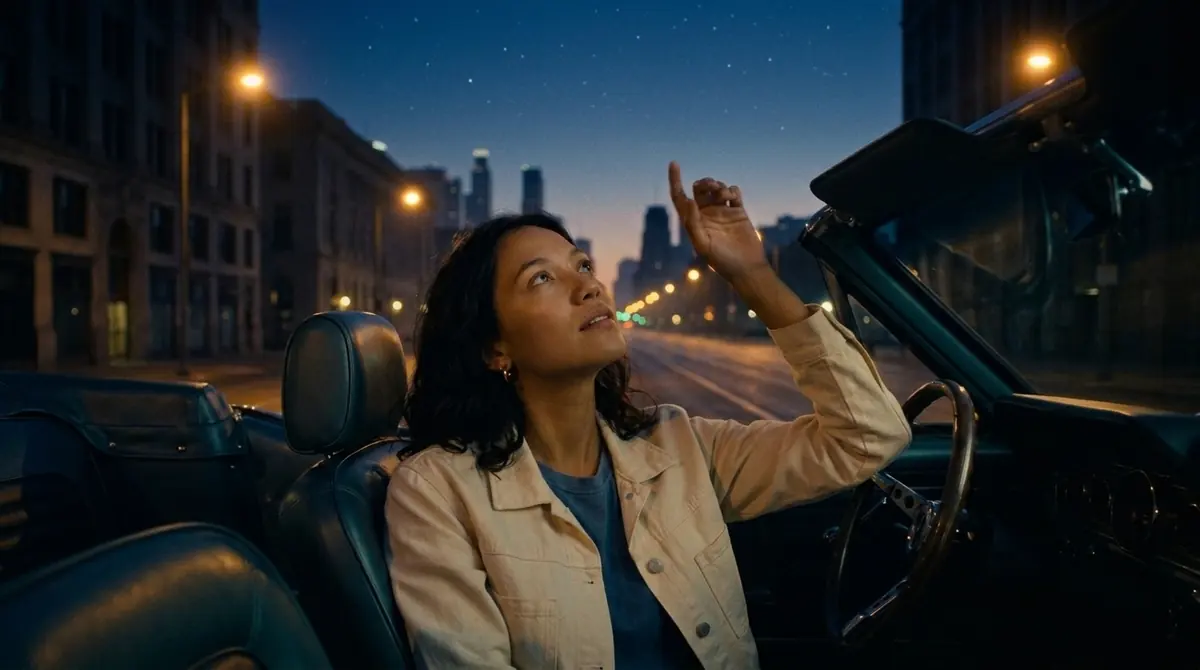
These six ideas need one location or no cast at all, so they suit a first release, an acoustic version or a song you'd rather not put your face to. More one-place concepts are in low budget music video ideas. Several also work as lyric videos, since people often play sad songs for the words.
- Story · loneliness
City of one
The lead spends a whole Saturday alone in a big city: an early bus, a museum bench, a noodle bar, a cinema seat in the dark. Always among people, always on their own. Each chorus the camera rises higher above them, until in the final chorus they're a small figure on a crowded bridge, and someone stops beside them.
Use this idea on my songUse this idea on my song - Surreal · one room
Snow indoors
It snows gently inside the lead's apartment, settling on the sofa, the kettle and the unmade bed while they go through an ordinary evening as if nothing were strange. A little more falls each chorus until the room is white. In the outro they open the window and the snow drifts out into the night.
Use this idea on my songUse this idea on my song - Performance · empty theater
The ghost light
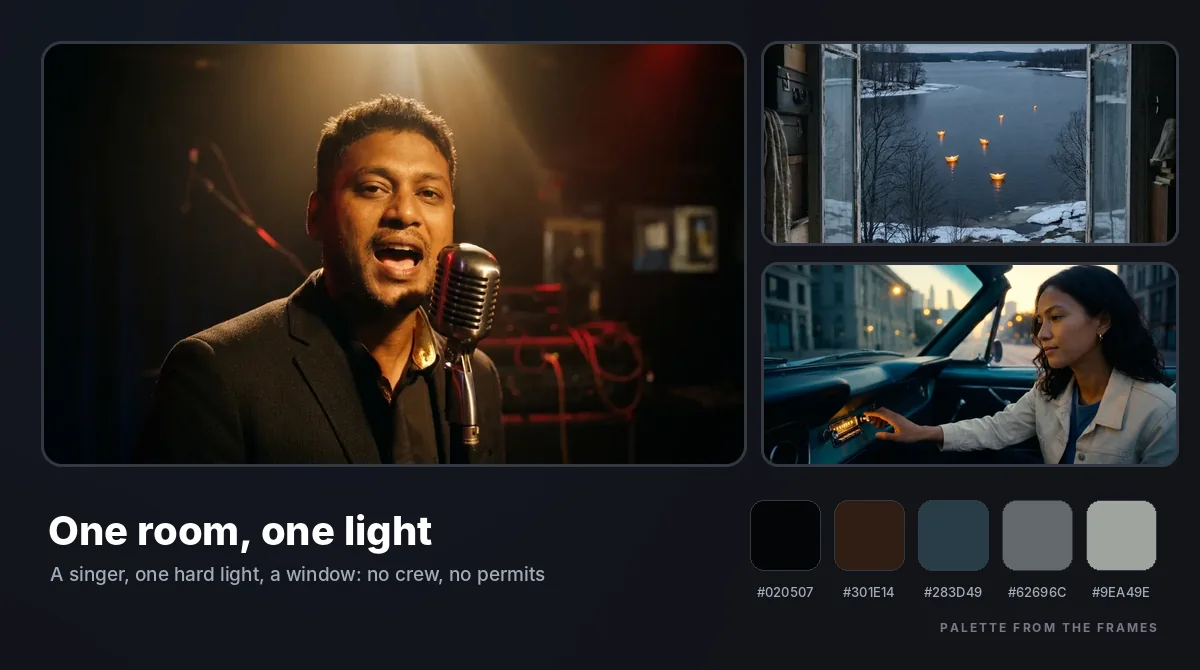
The singer performs alone on the stage of a dark, empty theater, lit only by the ghost light, the single bare bulb theaters leave burning overnight. The verses stay close on the singer and the bulb. Each chorus the house lights come up a little further, revealing more empty seats, and the outro returns to the one bulb.
Use this idea on my songUse this idea on my song - Lyric · winter
Breath on glass
Karaoke captions over close-ups of cold, quiet things: frost spreading across a car windshield, breath fogging a bus window, steam off a kettle in a dark kitchen, ice forming at the edge of a pond. The chorus lines land on the widest frames, a frozen lake under a low winter sun.
Use this idea on my songUse this idea on my song - Faceless · no cast
Empty seats
Fixed shots of places that should be full and aren't: a school bus at the end of its route, a fairground ride turning with no riders, a café table with two cold coffees, a playground swing still moving. Each lands on a downbeat. The final chorus is one place filling up again, the first sign the song might lift.
Use this idea on my songUse this idea on my song - Animated · one color
Sketchbook in gray
The whole video as pencil-sketch animation in grays, with one thing in color: the yellow raincoat of the person who is gone. Each chorus the yellow turns up somewhere new and a little fainter, a scarf on a hook, a kite caught in a tree, until the outro, when the lead finally puts the raincoat on.
Use this idea on my songUse this idea on my song
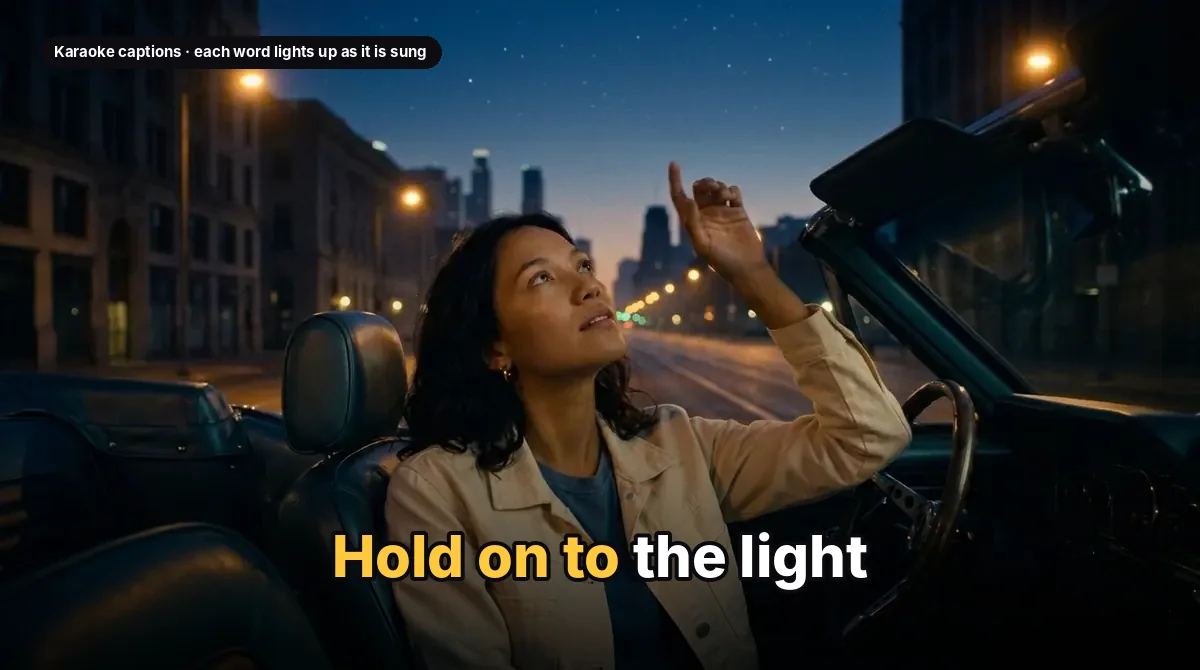
For lyric videos in depth, read how to make a lyric video or start on the lyric video maker. For a video with nobody on screen at all, faceless music video ideas has more.
A sad song, section by section
Most sad songs follow the same arc as the feeling: something is missing, it hurts, it hurts more, something shifts. Use this table as a starting plan and adjust it to your song's shape.
| Section | Its job | Shot ideas | Pace |
|---|---|---|---|
| Intro | Establish the absence | An empty place held wide: a made bed, a quiet platform, a coat on a hook | One or two long holds |
| Verse 1 | The routine without them | Small actions: two cups set out, a key left on the side, the lead at the window | Long, still shots |
| Chorus 1 | Let the feeling out | The memory in warmer color, or the lead small in a big landscape | A little quicker, wider frames |
| Verse 2 | Go deeper | A new place that holds a memory, an object found | Long holds again |
| Chorus 2 | Wider than the first | A bigger landscape, more of the memory, the weather turning | A cut every bar or two |
| Bridge | The turn | The flashback in full, the lead stepping outside, the rain stopping | One held shot, then a change |
| Final chorus | The release | The widest frame of the video, the warm accent at its strongest | The busiest cutting of the song |
| Outro | The last image | Something unresolved or quietly hopeful: a window open, a chair pulled out | A long final hold |
Muvora's planner fills in the pace column for you. It reads the energy of every beat, gives quiet sections longer shots and loud ones shorter, cuts on downbeats and at every section change, and lets gentle crossfades appear only between quiet sections, which suits a slow song. You decide what goes in the other columns.
Shot list generatorTurn a slow song's tempo and section lengths into a beat-timed shot list, section by section, before you write any prompts.From idea to storyboard
- 01
Name the feeling precisely
Heartbreak, grief, loneliness, nostalgia or regret? Write it down, along with what the lead has lost, before choosing an idea. It decides the light, the places and the ending.
- 02
Write the idea as a situation
One sentence with a person, a place and an action: “she still sets the table for two”. A situation gives every shot something to show; a mood on its own doesn't.
- 03
Upload the song and paste the lyrics
Upload the master as MP3, WAV, M4A or FLAC, up to 8 minutes, and confirm the rights. Paste the lyrics so they're aligned to the vocals, for captions and for meaning; the analysis maps where the song is quiet and where it swells.
- 04
Pick the style and the pace
Story for a lead, Lyric for captions, Performance to sing it from one photo, Abstract for pure mood. The lo-fi look holds shots longer, which suits most slow songs (see lo-fi music video ideas); rock fits a loud, cathartic one. Then add the light, the warm accent and the ending to the idea box.
- 05
Read the storyboard for restraint
Check that every shot has an action rather than a pose or a tear, rewrite any that overplays it, and make sure the bridge turns. Edits are free, and you can ask AI to rewrite a shot.
- 06
Check the frames, then render
The style frames show whether the palette is cold enough before you pay. Render at the quality you want with the price shown first, then re-roll any shot that misses; re-rolls are free up to 10% of the video's length.
Ballads tend to run long and slow, so Visualizer, at 38 credits a second, is the most affordable way to cover every minute; Standard, at 60, holds a recurring character steadier from shot to shot. Whatever the quality, a shot that fails is retried, and its credits come back automatically if it still fails.
Give your song the quiet it needs
Upload it, describe the loss in one line and get a free storyboard you can rewrite shot by shot. For songs on the other side of love, see love song music video ideas.
Written by the Muvora team. Last updated November 13, 2026. Spotted something out of date? Tell us at [email protected].